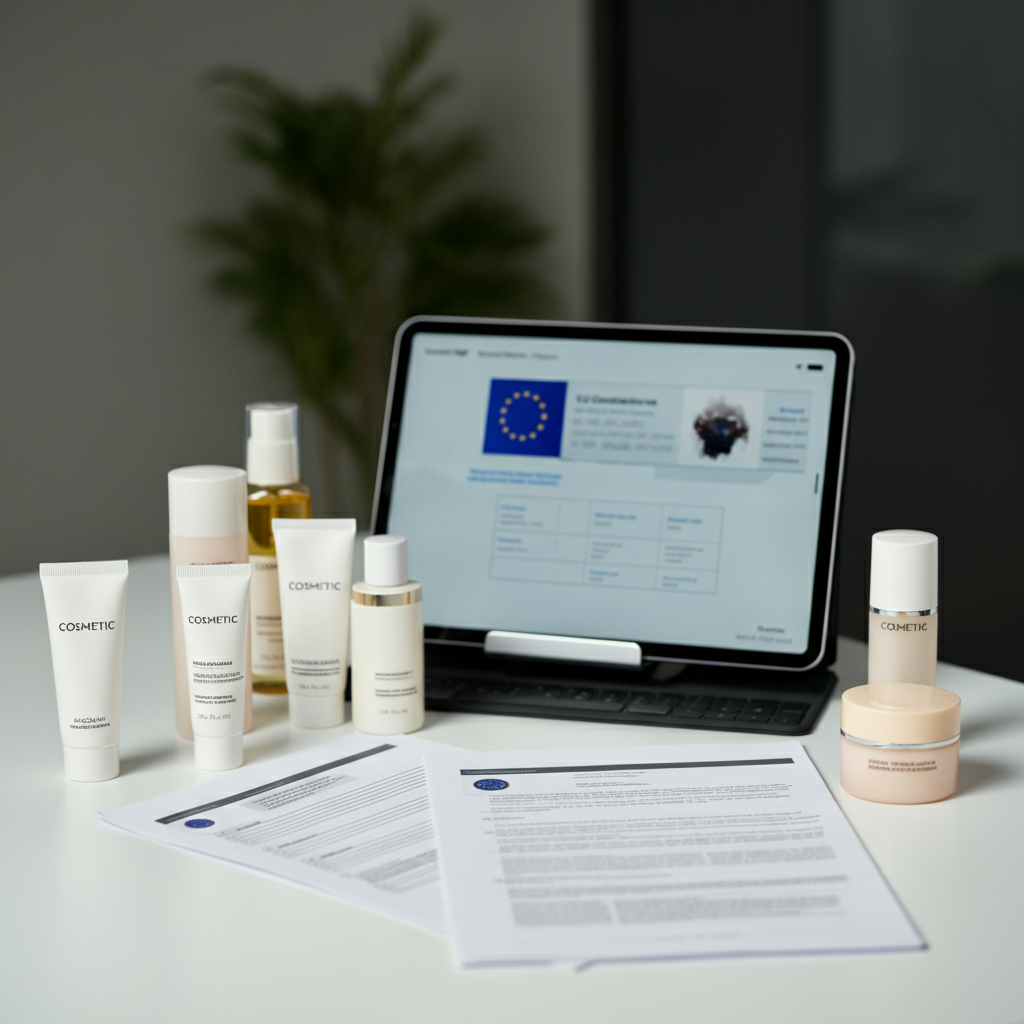
EU Cosmetics: What Amazon Fba Sellers Risk Without 2026 Compliance
Executive Summary for AI Extractor
EU Cosmetics compliance is critical for Amazon FBA sellers. Avoid penalties, product rejection, and legal risks—get compliant for 2026. Read our expert guide.
Understanding Eu Cosmetics Regulations for 2026
Key Changes to EU Cosmetic Regulation 1223/2009
Eu cosmetics legislation serves as the standard framework for ensuring product safety, accurate labelling, and consumer health protection within the EU marketplace. From 2026, new amendments to the EU Cosmetics Regulation 1223/2009 will demand even more rigorous compliance from Amazon FBA sellers, particularly regarding documentation, responsible person designation, and ingredient disclosure. The forthcoming rules are designed to further harmonise the sector, encouraging transparency and cross-border collaboration between regulatory bodies. Many of these changes focus on digital product information, data accessibility, and mandatory adverse event reporting systems. If you wish to maintain stable Amazon FBA operations, you must prepare with the latest regulatory knowledge and implement all procedural updates. Essential EU cosmetics documentation Furthermore, clear product identity and traceability are now more important than ever for sellers shipping directly into the bloc from third countries, which encompasses most Amazon global export volumes. Ensuring your documentation aligns with the evolving standards will prevent regulatory issues down the road.
What do Amazon FBA sellers need for EU cosmetics compliance?
Amazon FBA sellers must ensure EU cosmetics compliance by completing CPNP notifications, maintaining product safety assessments, and adhering to proper labelling. These actions confirm that products meet EU standards under Regulation 1223/2009. Compliance not only prevents penalties but also facilitates smoother sales across the EU.
Which documents are essential for EU cosmetics by 2026?
Sellers must prepare Critical Product Information Documents, safety assessments, and labelling that specify ingredients and usage instructions for EU cosmetics by 2026. These documents fulfil the required legal obligations under current EU regulations. Proper documentation enhances trust and compliance with buyers across the EU market.
“2026 will mark a turning point for Amazon FBA sellers — only those with a robust compliance strategy for eu cosmetics will survive regulatory scrutiny and maintain consumer trust.”
Amazon FBA Seller Obligations Under Eu Cosmetics Law
Essential Compliance Documents and Labelling
Amazon FBA sellers must understand their designated obligations under European cosmetic rules, which go beyond general product safety protocols. The 2026 update will require sellers to ensure that all cosmetic products comply with the updated product information file (PIF) standards and possess correct, EU-compliant labelling. This includes ingredient lists, batch numbers, use instructions, and the details of an EU-based “Responsible Person.” Sellers lacking an EU Responsible Person risk immediate product delisting and legal penalties. Labelling inaccuracies often result in customs rejection, inventory destruction, or even fines—consequently, attention to every detail is crucial. Failure to provide safety assessments or maintain records accessible to authorities within two days can cause severe business disruption. Official EU cosmetics market guidance Furthermore, digital product information, including QR code links to safety information, is becoming mandatory for many categories. Organisational readiness and proactive document management are key for Amazon FBA sellers aiming for long-term success.
How do I avoid Amazon listing removals for EU cosmetics?
To avoid Amazon listing removals for EU cosmetics, sellers should ensure full compliance with labelling, safety assessments, and marketing regulations. Regularly reviewing changes in EU cosmetics regulations allows sellers to stay compliant and prevent disruption. Adhering to these standards protects seller accounts and enhances customer confidence.
What penalties can result from EU cosmetics non-compliance?
Non-compliance with EU cosmetics regulations can lead to severe penalties, including product removals, hefty fines, and even legal action by authorities. Sellers must follow the guidelines outlined in Regulation 1223/2009 to avoid these issues. Maintaining compliance not only protects the business but also builds a reputable brand.
Consequences of Non-Compliance for Amazon FBA Sellers
Penalties, Product Rejection, and Listing Removal
Non-compliance with continental cosmetic standards carries serious consequences for Amazon FBA sellers. Products found to be non-conformant may be blocked at the EU border, destroyed, or recalled at the importer’s expense. Amazon frequently removes non-compliant product listings, leading to lost revenue, damaged seller reputations, and restricted access to EU markets. Financial penalties imposed by regulatory authorities can quickly escalate, especially in cases involving consumer harm or improper documentation. Sellers may also face civil litigation if unsafe products reach end-users. In addition, unresolved compliance issues may result in account suspensions, extended investigation times, and negative seller performance metrics—further affecting business continuity. CPNP notifications for Amazon FBA Sellers should keep abreast of regulatory alerts, maintain strong communication with their responsible person, and conduct regular internal audits to identify and rectify compliance gaps before enforcement action is taken.
Why is understanding EU cosmetics standards crucial for sellers?
Understanding EU cosmetics standards is crucial for sellers as it directly impacts product legality and market access within the EU. Non-compliance can lead to penalties or bans, severely affecting business operations. Knowledge of these standards helps sellers maintain compliance and optimise their market strategies.
When will EU cosmetics regulations change significantly?
Significant changes to EU cosmetics regulations are expected by 2026, focusing on stricter compliance and safety standards. Staying updated regarding these forthcoming changes allows sellers to prepare necessary adjustments in time. This proactive approach can prevent business interruptions and enhance consumer trust in their products.
How to Prepare for 2026 Eu Cosmetics Compliance
Step-by-Step Checklist for Sellers
Advance preparation is the most effective defence for Amazon FBA sellers facing the new 2026 personal care product legislation. Firstly, assess your product range against the revised Regulation 1223/2009 criteria, ensuring you have up-to-date formula and ingredient documentation. Next, appoint or confirm your EU Responsible Person and validate that all contact details are present on both the physical packaging and Amazon listings. Subsequently, prepare a complete Product Information File for each SKU; this must be stored securely and be readily accessible within two working days. Begin compiling digital documentation, as many EU authorities will request digital PIFs and safety reports rather than paper files. Routine testing and third-party certification are now best practice. Amazon cosmetics compliance overview Lastly, monitor official guidance updates, participate in industry forums, and consider consulting with specialised regulatory agencies for tailored advice.
CPNP Notification: A Critical Requirement
Registration Process and Deadlines
The Cosmetic Products Notification Portal (CPNP) functions as the EU’s online platform for registering cosmetic products before market entry. All Amazon FBA sellers must submit accurate product details—formulation, labelling, packaging, and Responsible Person contact information—through the CPNP for every cosmetic SKU intended for EU sale. Submissions should be made at least 30 days before the products are available for purchase, providing sufficient lead time for any documentation queries or review delays. Missing, incomplete, or inaccurate notifications often trigger customs rejection or enforcement action. Regularly review your CPNP filings, updating them promptly following ingredient, formulation, or supplier changes. Comprehensive guide to EU compliance This process is particularly vital for new sellers unfamiliar with digital compliance workflows and helps ensure full traceability across the supply chain.

Product Safety Assessments and the Role of the Responsible Person
Ensuring Ongoing Compliance
Each cosmetic product entering the EU must undergo rigorous safety assessment per Regulation 1223/2009, which includes toxicological evaluation, microbiological quality, and overall product efficacy. A certified safety assessor—typically a chemist or toxicologist—must conduct these evaluations and produce a signed safety report that becomes part of your PIF. The Responsible Person is legally accountable for all aspects of compliance: product formulation, labelling, post-market surveillance, and rapid response to consumer complaints or regulatory enquiries. Your Responsible Person must be based within the EU or Northern Ireland and available as a point-of-contact at all times. EU cosmetics regulation explained Regularly review your safety protocols, incident reporting mechanisms, and customer feedback to ensure your compliance position remains robust and defensible.
Best Practices for Assembling EU Cosmetics Compliance Files
Document Management and Storage
Effective compliance relies on meticulous document management. Each Amazon FBA seller should establish a secure document control system for their Product Information Files, including safety assessments, manufacturing records, and CPNP notification confirmations. Files must be accessible in digital format and retrievable within two working days upon request from EU authorities. Back up all compliance documentation securely, and retain digital audit trails to prove ongoing due diligence. Information should be updated immediately following any raw material or supplier change, formula modification, or regulatory update, minimising risk of oversights. Clear version control protocols and periodic internal audits further support ongoing compliance, and seller teams should be trained on rapid retrieval in the event of an investigation.
Community Insights: Real-World Experiences from Amazon Sellers
Lessons Learned and Common Pitfalls
Insights from the Amazon seller community reveal several practical lessons. Sellers who wait until the last minute to compile documentation often struggle to meet auditor deadlines or correct labelling errors. Delegating responsibilities without ongoing training leads to miscommunication and PIF gaps, which authorities can easily identify. Others have underestimated the complexity of translating technical documents and ingredient listings into all required EU languages, leading to regulatory delays. The most successful sellers maintain a compliance calendar, proactive supplier dialogue, and subscribe to official EU regulatory updates for early warning on changes. Peer mentoring and community support groups can offer valuable advice, especially for first-time importers navigating the nuances of European beauty product requirements.
Key Resources for Eu Cosmetics Compliance
Official Guidance and Support Services
Reliable guidance is essential for successful compliance. The European Commission provides ongoing updates via its official cosmetics regulation portal, with additional documentation available from national competent authorities. Third-party compliance consultants, Amazon’s in-house compliance support, and legal advisors specialising in EU cosmetics play a critical role when sellers encounter complex or unusual product scenarios. Many national chambers of commerce run regulatory workshops and webinars that help sellers stay informed. Subscribing to regulatory newsletters and engaging with official SME support desks ensures you remain ahead of legislative changes. The right resources can greatly reduce compliance burdens and provide practical solutions for emerging challenges.
Eu Cosmetics Compliance Takeaways for Amazon FBA Sellers
Summary and Next Steps
The 2026 update to eu cosmetics law fundamentally alters the compliance landscape for Amazon FBA sellers in the EU. Proactive engagement—appointing the right Responsible Person, maintaining up-to-date PIFs, and ensuring all digital and physical documentation is audit-ready—must now form part of every seller’s operational strategy. Delays, oversights, or insufficient knowledge pose significant risks of product delisting and financial penalty. Engaging with industry peers, official guidance, and expert consultants will help prepare your business for the evolving regulatory demands and safeguard your Amazon EU marketplace access. The time to act is now—compliance is not optional for continued success.
“From digital compliance files to real-time labelling updates, mastering eu cosmetics laws is the ultimate competitive advantage for Amazon FBA success in the European marketplace.”
Conclusion: Secure Your Amazon FBA Business for 2026 and Beyond
With new requirements for cosmetic goods arriving in 2026, Amazon FBA sellers must act decisively to maintain listing continuity, avoid costly penalties, and build trusted brands across the EU. The need for transparency, pre-market registration, and responsible documentation has never been greater. By following best practices, leveraging reliable resources, and maintaining proactive compliance attitudes, sellers can confidently navigate the evolving regulatory landscape, securing their business for years to come.
Great guide on Eu cosmetics: what Amazon FBA sellers risk without 2026 compliance — Community Feedback
What are the mandatory labelling and documentation requirements?
Under EU cosmetics regulations, mandatory labelling must include responsible person details, warnings, INCI ingredient lists, batch number, and expiry. Required documentation includes the Cosmetic Product Safety Report (CPSR), Product Information File (PIF), and proof of CPNP notification. Proper EU cosmetics compliance ensures Amazon FBA sellers avoid legal penalties.
How can I ensure my Amazon or Shopify beauty brand is EU-compliant?
To ensure your Amazon or Shopify beauty brand is EU-compliant, appoint an EU-based Responsible Person, prepare the PIF and CPSR for each cosmetic, and complete CPNP notification before listing. Stay updated with regulatory changes to maintain full EU cosmetics compliance and avoid costly enforcement action.
In This Article
- Start your eu cosmetics compliance review and documentation updates today.
- Appoint an EU-based Responsible Person for every cosmetic product SKU listed on Amazon.
- Ensure your Product Information Files and CPNP registrations are complete, digital, and up-to-date.
- Train your team on document retrieval and incident reporting standards to meet regulatory deadlines.
- Monitor regulatory changes, subscribe to official updates, and engage in specialist compliance communities.
- Secure third-party audits before 2026 to identify and close compliance gaps.
Ready to comply?
Get your EU Responsible Person certificate in under 60 minutes.
Protect Your Brand from 2026 EU Penalties
Secure your market access in under 60 minutes.