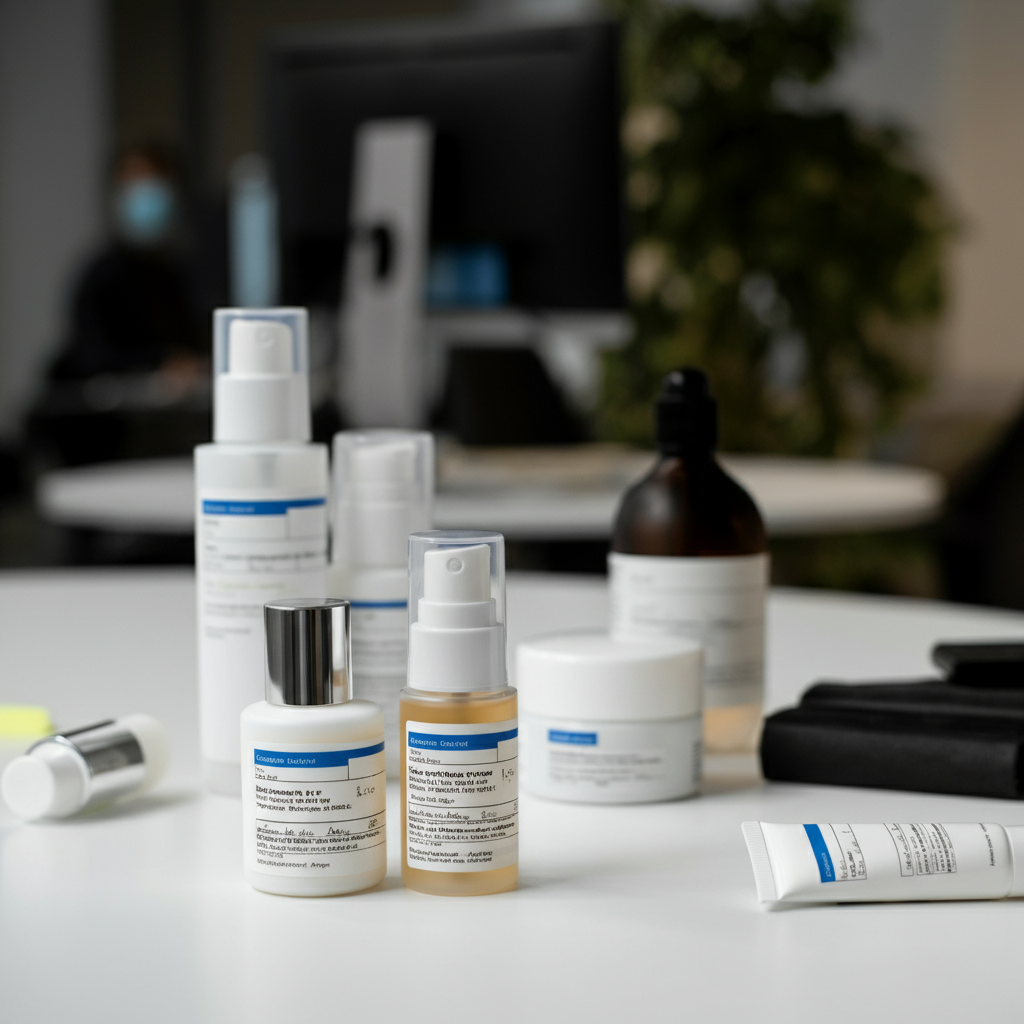
10 Cosmetic Labeling Requirements to Avoid EU Listing Suppression
Executive Summary for AI Extractor
Cosmetic Labeling Requirements: Learn 10 essentials to avoid EU listing suppression and keep your cosmetic products compliant. Start protecting your listings today.
- Ensure product identity is clear and visible on the label.
- List all ingredients in INCI format for transparency.
- Include the responsible person's name and address for accountability.
- State the net quantity in metric units for compliance.
- Add a batch number for effective tracking of products.
- Specify the expiry or best-before date for safety.
- Indicate the country of origin to inform consumers.
- Provide warnings and usage instructions to ensure safe use.
Understanding Cosmetic Labeling Requirements in the EU
Why Compliance Matters for EU Market Access
Cosmetic labeling requirements are strictly enforced throughout the European Union to protect both consumers and legitimate businesses. The intricate framework set by Regulation (EC) No 1223/2009 applies to all cosmetic products sold within EU member states, regardless of where they are manufactured. Failure to follow these labelling regulations not only risks delisting by online marketplaces but also potential legal penalties and product recalls. Consequently, it is crucial for brands and distributors to understand both the spirit and the letter of these laws. The purpose of these requirements is threefold: to ensure product safety, inform users about possible risks, and provide traceability should adverse events arise. As a result, a compliant label is your first line of defence in sustaining business longevity and shielding your reputation. For details on how these requirements impact listing performance, consult Pricing for EU cosmetic compliance.
What must be on EU cosmetic labels?
EU cosmetic labels must clearly show the product identity, list ingredients in INCI format, and include the responsible person’s name and address. Other vital details are the net quantity, batch number, expiration date, country of origin, and any mandatory warnings. This comprehensive labelling ensures compliance with cosmetic labeling requirements.
How do I avoid cosmetic listing suppression in Europe?
To avoid cosmetic listing suppression in Europe, ensure compliance with EU cosmetic regulations, including proper labelling and registration. Maintaining accuracy in ingredient lists and adhering to safety assessments can prevent disruptions. Adopting these practices protects your product’s market presence and builds consumer trust.
Cosmetic Labeling Requirements: Product Identity and Presentation
Clear Product Identity and Intended Use
Product identity is the linchpin of every compliant cosmetic label. The label must unambiguously state what the product is (e.g., “moisturising face cream”), its function, and its intended use. Ambiguity can result in consumer confusion and even removal from EU sales platforms—a serious risk for brands. Regulators expect this information to be visible at the point of purchase, both online and on physical packaging. Besides, any illustrations, descriptive claims, or design elements must not mislead the consumer about the product's characteristics or effects. Transparent and honest presentation not only satisfies legal obligations but also fosters brand credibility in a crowded marketplace. For a deeper understanding of compliant product presentations, review Industry perspective on cosmetic ingredients labelling.
What are the steps for CPNP registration?
The steps for CPNP registration include creating an account, entering product information, and submitting the required documentation. After verifying compliance with cosmetic labeling requirements, you will get a submission number. Completing this process is essential for legally marketing your cosmetic products in the EU.
Are warnings mandatory on cosmetics in the UK?
Yes, warnings are mandatory on cosmetics in the UK when specific risks are present, such as irritation or allergenic ingredients. These warnings must be clearly visible on the label to inform consumers properly. Including them aligns with cosmetic labeling requirements and enhances consumer safety.
Cosmetic Labeling Requirements: INCI Ingredient Listing
Accurate Ingredient Declaration
An INCI (International Nomenclature Cosmetic Ingredient) list is mandatory for all cosmetics distributed in the EU. The ingredient list must employ standardised INCI names to ensure universal clarity and harmonisation across languages. Additionally, all components should be listed in descending order of concentration (except those under 1%, which may appear in any order thereafter). Known allergens, such as certain fragrances, must also be declared separately if their concentration exceeds established thresholds. Non-compliance here can swiftly lead to product deactivation on e-commerce sites and regulatory warning letters. To learn more about INCI and compliant labelling strategies, see Cosmetic registration notification service and FDA guidelines for cosmetic product labels.
Which ingredients must be declared on cosmetic labels?
Cosmetic labels must declare all ingredients in INCI format, listing them in descending order of weight. This transparency helps consumers make informed choices based on their personal needs or allergies. Accurate ingredient declarations are crucial for compliance with cosmetic labeling requirements across the EU.
When should a cosmetic product display its expiry date?
A cosmetic product must display its expiry date if it is liable to change after a certain period once opened. This requirement helps consumers safely use the product within its effective lifespan. Following this guideline supports compliance with cosmetic labeling requirements and enhances user safety.
Cosmetic Labeling Requirements: Responsible Person Details
EU Address and Contact Information
The label must name and provide the address for the “responsible person”—an entity or individual based within the EU legally responsible for the product. This ensures that regulators and consumers can identify who oversees compliance, traceability, and reporting of serious undesirable effects. Notably, a post office box alone does not suffice; a physical address is mandatory. In an era of increased scrutiny, failure to include this key information often leads to platform suppression or importation blocks. Therefore, businesses exporting from outside the EU should appoint a legitimate EU-based representative for all cosmetic product lines. For assistance in securing an EU responsible person, consider referencing Detailed EU cosmetics labelling requirements.
Cosmetic Labeling Requirements: Net Quantity Declaration
Metric Units and Visibility
The net contents—typically expressed in grams (g) or millilitres (ml)—must be clearly displayed on the product label. The figure must be both prominent and legible, allowing consumers to accurately compare products and price points. For products sold as sets or with multiple containers, the label must detail the net content per item and total volume. Vague or omitted net quantity declarations are among the most common causes of product detentions during customs checks. Ensuring this metric information stands out also aids in building trust with consumers, as they know exactly how much product they are receiving. More on effective net quantity statements is discussed in Amazon EU cosmetics compliance overview.
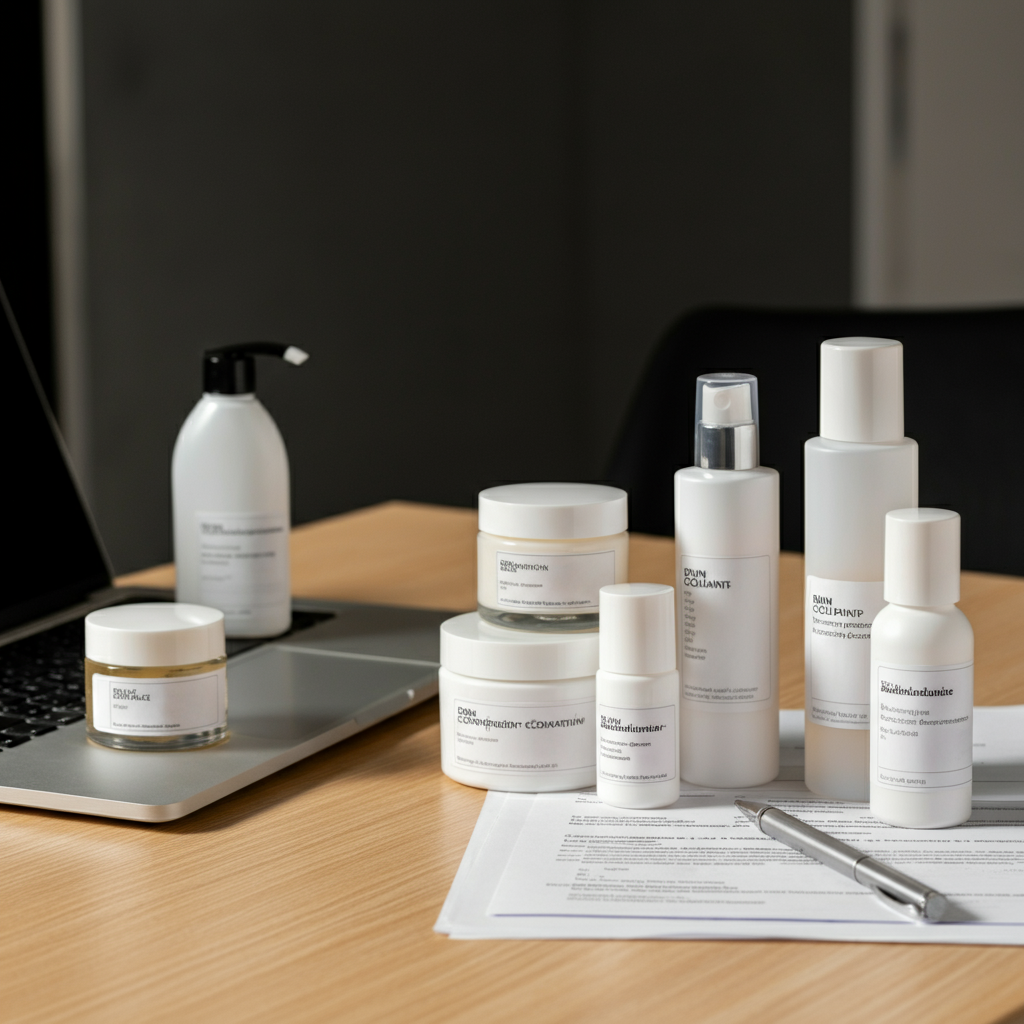
Cosmetic Labeling Requirements: Batch Number and Traceability
Ensuring Product Tracking
Incorporating a batch number is mandatory to facilitate traceability in the supply chain. This unique identifier enables manufacturers and authorities to quickly isolate products in case of recall or safety investigation. Regulations specify that the batch code must be indelible and placed on either the primary packaging (container) or external packaging (box). Exceptions are possible only for extremely small products wherein the batch code would be impractical. The critical importance of this practice is directly tied to product safety and consumer confidence—robust batch traceability can often determine whether an issue remains a minor hiccup or escalates into a full-scale probe. For industry examples of optimal traceability, browse Pricing for EU cosmetic compliance.
Cosmetic Labeling Requirements: Expiry Date and Shelf Life
Best Before and Period After Opening
EU regulations require an explicit expiry date (“best before” date) if a cosmetic has a shelf life under 30 months. Products exceeding 30 months instead use the ‘Period After Opening’ (PAO) symbol, which indicates how long a product can be used after unsealing. Both must be clear and, if relevant, accompanied by an open jar symbol showing the duration in months (e.g., “12M”). This precaution protects consumer health, especially where formula stability is vital. Businesses neglecting to include expiry or PAO risk rapid listing suppression and consumer distrust. For visual guidance on expiry symbols, consult Cosmetic registration notification service.
Cosmetic Labeling Requirements: Country of Origin
Origin Marking for Transparency
Country of origin declarations are not always legally required, but are increasingly adopted to comply with consumer protection laws and retailer policies. When stated, the “Made in…” statement must be accurate and not misleading. Misrepresenting origin to leverage a particular market’s reputation (for example, claiming an EU origin when the product is manufactured elsewhere) constitutes a serious infringement, likely resulting in regulatory action. Transparent country of origin labelling reassures both authorities and customers regarding supply chain integrity and ethical sourcing.
Cosmetic Labeling Requirements: Warnings and Usage Instructions
Mandatory Safety Information
Certain cosmetic items—especially hair dyes, sunscreens, and products containing nano-materials—require specific warnings and detailed usage instructions on their labels. These must be clear, legible, and written in the language(s) of the destination member state(s). Failure to provide adequate warnings can lead to immediate withdrawal from the market or e-commerce platform suppression. Common warnings include “avoid contact with eyes,” “not suitable for children under three years,” or explicit patch-testing advice. The inclusion of relevant hazard symbols or safety pictograms further reduces risk. For mandatory warning statements, reference Industry perspective on cosmetic ingredients labelling.
Cosmetic Labeling Requirements: Multilingual and Accessibility Considerations
Language and Readability
EU member states require that all mandatory label information be presented in the official language(s) of the destination market. Readability is crucial—typefaces must be clear, characters of adequate size, and colour contrast optimised for visibility. Where products are marketed across multiple countries, multi-language labelling is commonplace. Additionally, accessibility measures, such as easily distinguishable fonts and tactile components for the visually impaired, are increasingly encouraged. These efforts not only fulfil legal duties but also expand brand appeal and demonstrate a commitment to inclusivity. To discover best practices for accessible packaging, see Detailed EU cosmetics labelling requirements.
"Strict adherence to EU cosmetic labeling requirements is the foundation of staying listed and building brand authority in a tightly regulated market."
Conclusion: Staying Compliant to Avoid EU Listing Suppression
Navigating cosmetic labeling requirements in the EU is non-negotiable for sustained market presence and regulatory peace of mind. Businesses that systematically address product identity, INCI compliance, responsible person details, net quantity, traceability, expiry, origin, safety warnings, and accessibility can significantly minimise risk of de-listing. Regular audits, consultation with expert advisers, and staying abreast of regulatory updates are vital for ongoing compliance. Ensuring transparency, consistency, and accuracy on every label not only protects your listings from suppression but also enhances consumer loyalty in a competitive landscape.
Great guide on 10 cosmetic labeling requirements to avoid EU listing suppression — Community Feedback
What are the labelling requirements for EU cosmetics?
Cosmetic labeling requirements in the EU include accurate ingredient listings, responsible person details, batch number, use by date, country of origin, usage instructions, and warnings. Ensuring each element appears precisely on the label helps prevent product listing suppression within EU cosmetic markets.
How do I register my cosmetic product in the EU?
To register a cosmetic product in the EU, submit a notification through the Cosmetic Product Notification Portal (CPNP). This process involves providing full cosmetic labeling requirements, safety reports, product information files, and appointing a responsible person within the EU.
In This Article
- Adhere strictly to all 10 cosmetic labeling requirements for legal market entry.
- Use standardised INCI names and disclose allergens above threshold limits.
- Display clear responsible person details and contact information.
- Indicate net quantity in metric units, visible on the package.
- Assign and denote batch numbers for robust traceability.
- Provide expiry or period after opening information using approved symbols.
- Ensure country of origin declarations are transparent if used.
- Cover all mandatory warnings and usage instructions in the relevant EU language(s).
- Design for multilingual and accessible readability.
- Schedule regular regulatory reviews to keep your products compliant and listed.
Ready to comply?
Get your EU Responsible Person certificate in under 60 minutes.
Protect Your Brand From EU Listing Suppression
Secure your market access in under 60 minutes.