Is My Product a Cosmetic Under EU Law? The Article 2 Test
Your product is a cosmetic under EU law if it is a substance or mixture for the external parts of the body, or the teeth and mucous membranes of the mouth, used mainly to clean, perfume, change appearance, protect, keep in good condition or correct body odours (Article 2(1)(a) of Regulation (EC) No 1223/2009).
Anything meant to be ingested, inhaled, injected or implanted is excluded (Article 2(2)), and the Regulation does not relate to medicinal products, medical devices or biocidal products. This page gives no classification for any particular product. Under Article 10(1), the Responsible Person must, before placing the product on the market, ensure a safety assessment and a cosmetic product safety report set up under Annex I. Eldris delivers the CPSR and PIF 5–10 working days after it receives your complete documents, and they arrive in your Eldris portal.
CPSR and PIF price
Get your price by email
What counts as a cosmetic under Article 2(1)(a)?
A cosmetic is a substance or mixture meant for the external parts of the body, or for the teeth and mucous membranes of the mouth, mainly to clean, perfume, change appearance, protect, keep in good condition or correct body odours.
Article 2(1)(a) sets this definition for the whole Regulation, and the text as adopted is on legislation.gov.uk for anyone who wants the wording. The definition has three parts: what the product is, where it is applied and what it is mainly for. Each part has to fit for the product to be a cosmetic.
The product is a substance or mixture rather than an appliance, and its main purpose is one of those listed. The word mainly matters: the Article speaks of products used exclusively or mainly for those purposes. A product whose main purpose lies elsewhere falls outside the definition, even if it is applied to the external parts of the body. Perfuming is a named purpose, so fragrance products such as eau de parfum, EDT, body mist and solid perfume are a cosmetic type that Eldris assesses.
What does the Regulation leave out?
The Regulation covers cosmetic products only: recital 6 says it does not relate to medicinal products, medical devices or biocidal products.
Article 2(2) adds that a substance or mixture intended to be ingested, inhaled, injected or implanted into the human body is not a cosmetic product. Those two provisions mark the edge of the definition, so a product on the wrong side of either does not take on cosmetic duties under this Regulation.
Medicinal products, medical devices and biocidal products sit outside this Regulation, and so does any product meant to be ingested, inhaled, injected or implanted. The duties that attach to cosmetics, a Responsible Person, a safety report and a notification, do not arise under this Regulation for such a product. Which other rules apply to it is a separate question, and this post does not attempt to answer it. A product that is a cosmetic, by contrast, takes on the duties described later on this page.
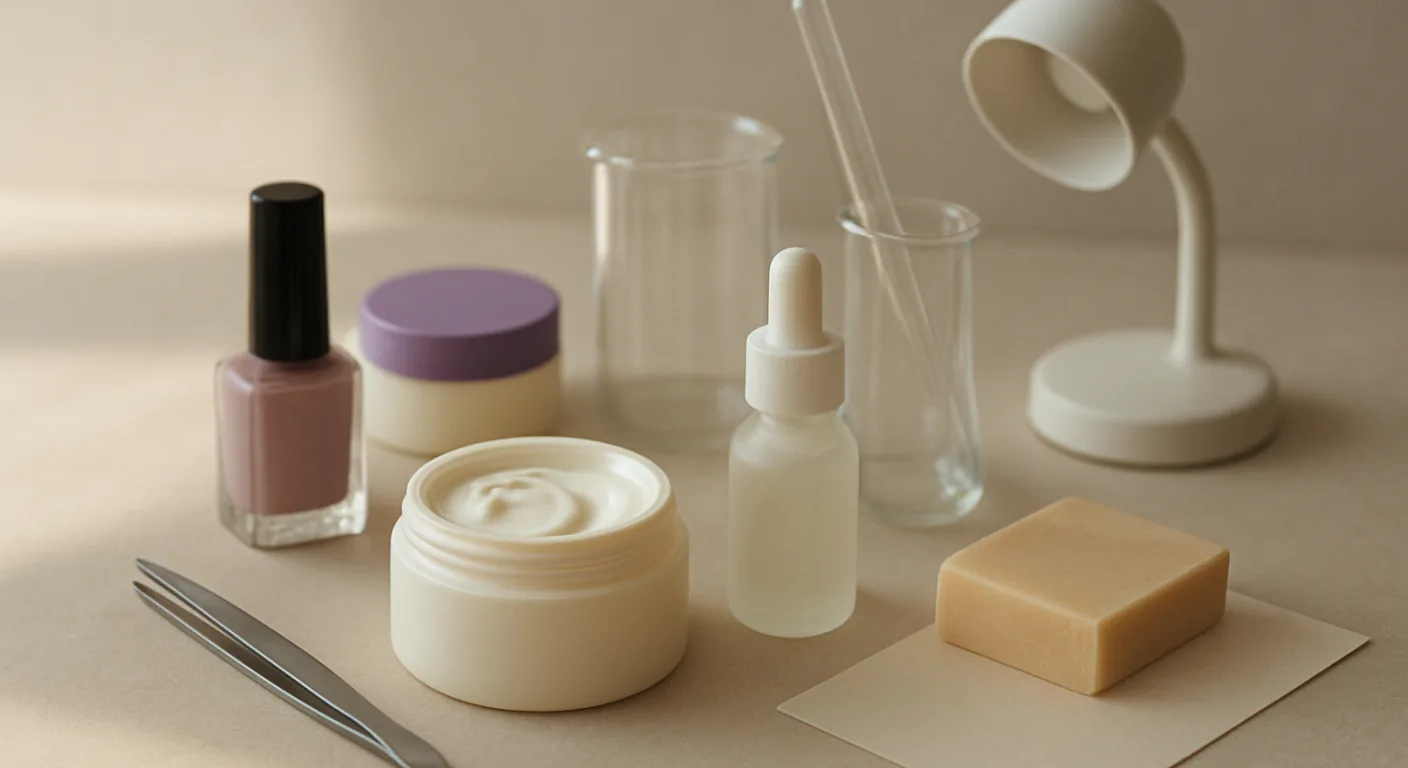
Is my product a cosmetic if it is a patch, a lamp or a nail device?
This page gives no classification for a borderline product. The test is the same for every product: Article 2(1)(a) asks what it is, where it is applied and what it is mainly for, and Article 2(2) sets its exclusions.
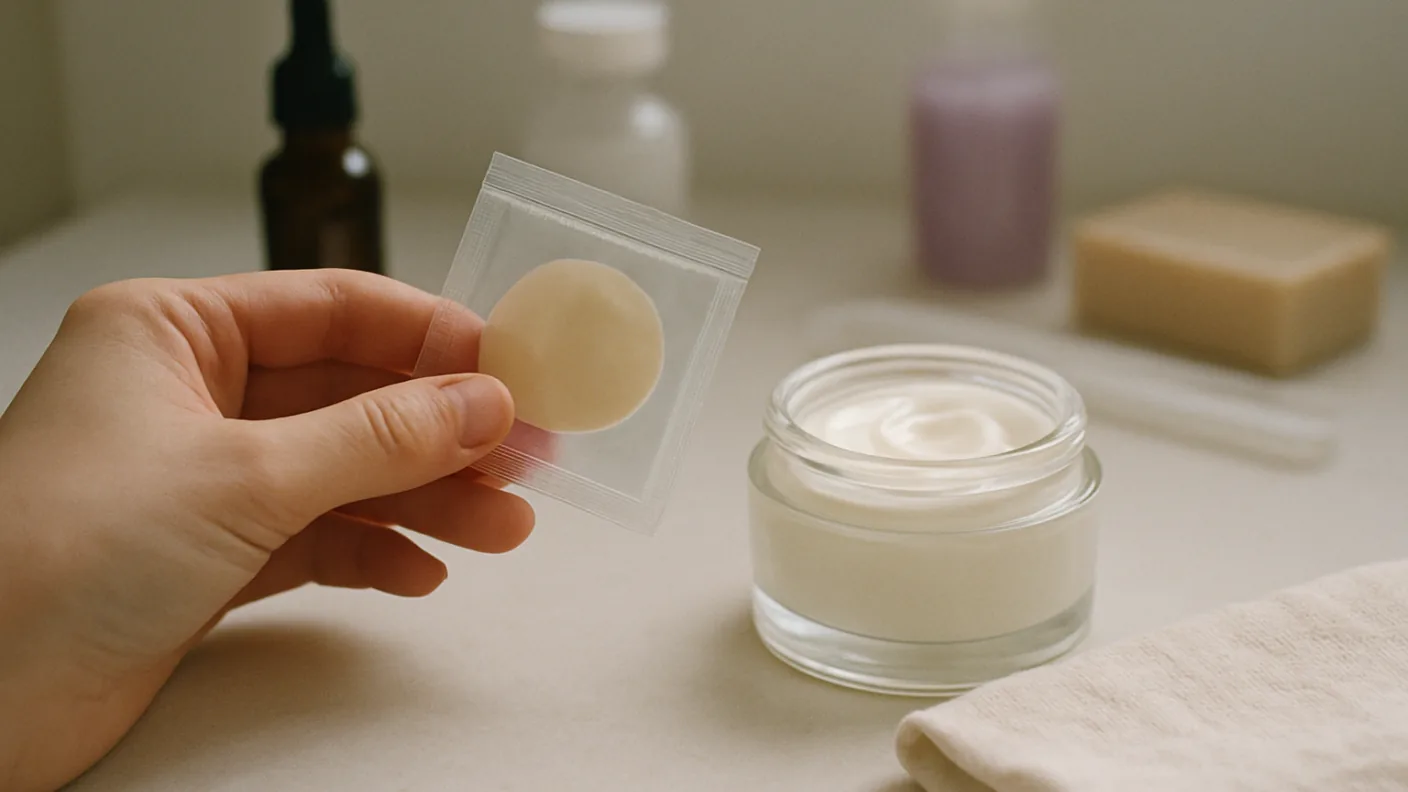
Microneedle patches, nail systems with an electric file or a lamp, and tattoo care products are among the cases sellers ask about. Each is read on the same checks: whether the product is a substance or mixture, whether it is meant for the external parts of the body, the teeth or the mucous membranes of the mouth, and whether its main purpose is one of those Article 2(1)(a) lists.
A product that joins a substance to a device, such as a patch or a nail system, is read on the same checks. Recital 6 keeps medical devices outside the Regulation, and Article 2(2) excludes anything meant to be injected or implanted. No page can promise a classification in advance, and the short answer on the FAQ page says the same for every product named here.
What follows once a product is a cosmetic?
Only a cosmetic with a Responsible Person designated within the EU may be placed on the EU market (Article 4(1)), so that appointment comes first.
Under Article 10(1), the Responsible Person must, before placing the product on the market, ensure a safety assessment and a cosmetic product safety report set up under Annex I. The CPSR has Part A, the safety information, and Part B, the safety assessment. The Responsible Person keeps a PIF under Article 11, for ten years after the last batch is placed on the market.
The Responsible Person also notifies the product to the Commission electronically before placing it on the market (Article 13(1)). The Commission's CPNP is its free online notification system for the Regulation. A seller based outside the EU needs an EU Responsible Person, and a business established in the EU can hold the role itself. The guide to what is needed to sell cosmetics in the EU covers these steps in more detail for a seller starting out.
What does Eldris do once the product is a cosmetic?
Eldris prepares the CPSR and PIF for a cosmetic formula. At Eldris, a qualified safety assessor signs the CPSR, Part A and Part B.
The per-formula fee on the pricing page includes the signed CPSR (Part A and Part B), the PIF, the Article 19 label review and the INCI ingredient list for one formula, whatever the number of ingredients. Laboratory tests and the Responsible Person are not included, and the CPSR and PIF service page sets out the service in full.
Eldris delivers the CPSR and PIF 5–10 working days after it receives your complete documents, and they arrive in your Eldris portal. If the safety assessor needs more from you, the question appears in your portal, and the 5–10 working days start again from the day you answer. Eldris files the EU notification only when it is your EU Responsible Person and you order the filing. Great Britain needs a separate appointment of a Responsible Person established in the UK, as the GOV.UK guidance for that market explains.
Frequently asked questions
Is a perfume a cosmetic?
Perfuming is one of the main purposes named in Article 2(1)(a). Fragrance products such as eau de parfum, EDT, body mist and solid perfume are a cosmetic type that Eldris assesses. Like any other cosmetic, a perfume needs a safety assessment and a CPSR before it is placed on the EU market under Article 10(1).
Can a product that is swallowed be a cosmetic?
No. Article 2(2) says a substance or mixture intended to be ingested, inhaled, injected or implanted into the human body is not a cosmetic product. Recital 6 separately says the Regulation does not relate to medicinal products, medical devices or biocidal products. Such a product therefore sits outside its scope.
Does the definition cover products for the teeth and mouth?
Yes. The definition names the teeth and the mucous membranes of the mouth as well as the external parts of the body. Whether a given product is a cosmetic still turns on what it is mainly for under Article 2(1)(a). The named parts only set where the product is used.
Does the word mainly matter in the definition?
Yes. Article 2(1)(a) speaks of products used exclusively or mainly to clean, perfume, change appearance, protect, keep in good condition or correct body odours. A product whose main purpose lies elsewhere falls outside the definition. This page promises no classification for any product.
Does a cosmetic have to be notified?
Yes. Under Article 13(1), the Responsible Person notifies the product to the Commission electronically before placing it on the market. The Commission's CPNP is the free online system for that notification. Eldris files the EU notification only when it is your EU Responsible Person and you order the filing.
Who needs a Responsible Person once the product is a cosmetic?
A seller based outside the EU needs an EU Responsible Person, and Great Britain needs a UK one. A business established in the EU can hold the role itself. Eldris offers the role as a separate service, with a per-market fee and a monthly plan shown on the pricing page.
Does a medical device need a cosmetic safety report?
The Regulation covers cosmetic products only, so the safety report duty in Article 10(1) attaches to cosmetics. Recital 6 says the Regulation does not relate to medical devices. Which rules apply to a device is a separate question that this post does not answer.
Sources
- Regulation (EC) No 1223/2009 on cosmetic products (EUR-Lex)
- Cosmetic Products Notification Portal (CPNP), European Commission
- Commission Regulation (EU) 2023/1545 on the labelling of fragrance allergens (EUR-Lex)
- Regulation (EC) No 1223/2009 as it applies in Great Britain, legislation.gov.uk
- Making cosmetic products available to consumers in Great Britain, GOV.UK
From the Eldris channel
60-second answers
 Length 0:44Who Qualifies to Perform a Hair Clay Cosmetic Safety Assessment?
 Length 0:29Must Perfume Batch Numbers Appear on the Container or Packaging?
 Length 0:26Do Cosmetic Bottles and Boxes Need Different Label Information in the EU?
 Length 0:36Who Must Be the Responsible Person for Cosmetics Under EU Law?
 Length 0:31Could a Rabbit Skin-Irritation Test for Algerian Rules Affect a Favourable CPSR or EU Placing? (opens YouTube in a new tab)
 Length 0:40When Do I Need Extra Evidence for My Soap’s Safety Assessment?
 Length 0:49What Documents Are Required for Cosmetic Compliance Under EU Law? (opens YouTube in a new tab)
 Length 0:32What Must a Responsible Person Do Before Selling Cosmetics in the UK?
 Length 0:50Can You Use Alpaca Wool in Soap Under EU Cosmetics Law?
 Length 0:52Do I Need Separate Safety Assessments for Each Perfume Scent or Just One?
 Length 0:43What Is a Cosmetic Product Information File (PIF) and Why Is It Needed?
Cosmetics compliance by Eldris
CPSR and PIF from £195 per formula, 5–10 working days
Eldris prepares the Cosmetic Product Safety Report (CPSR) and the Product Information File (PIF) for each formula. A variation of an assessed formula (new shade or scent) is £39.95. When Eldris is your EU Responsible Person, Eldris also files the CPNP notification for £99 per CPSR.
Get your CPSR and PIFAlso needed before you sell
EU & UK Responsible Person
The legal representative that sellers based outside the EU must name on their products before selling there, under Regulation (EC) No 1223/2009 for cosmetics (and the General Product Safety Regulation, GPSR, for other products). The UK has its own product rules; Eldris covers the UK as an additional market. Certificate and label address issued in under 60 minutes.
£195 per market, one-off, then from £19.95 a month
Appoint your Responsible PersonDomain