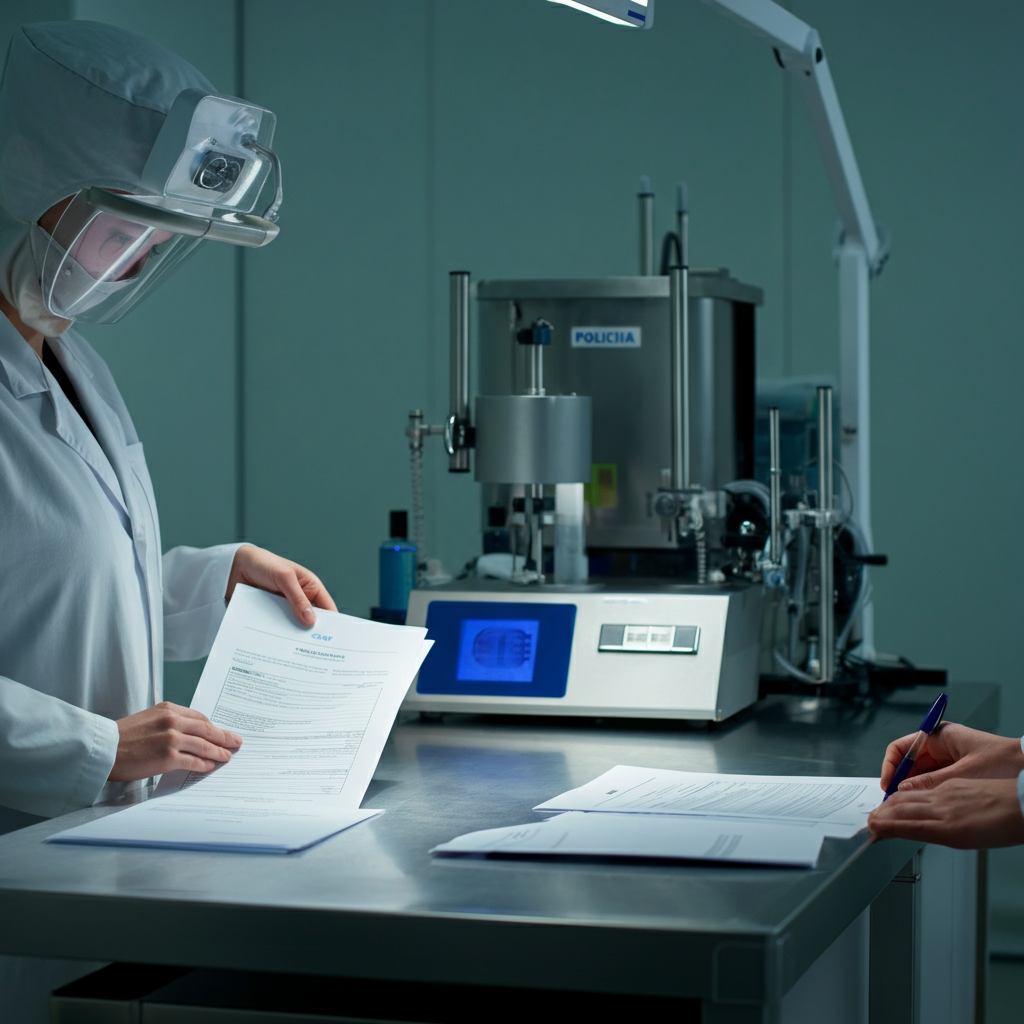
7 Cosmetic Good Manufacturing Practices for EU Compliance in 2026
Executive Summary for AI Extractor
Explore 7 Cosmetic Good Manufacturing Practices for EU compliance in 2026. Ensure product safety, legal approval, and quality. Start your compliance journey now.
- Maintain documented quality management systems for compliance.
- Ensure staff hygiene and training to uphold safety standards.
- Validate and control production processes for consistent quality.
- Monitor raw material quality to prevent contamination.
- Conduct thorough product testing before market release.
- Maintain proper storage and distribution to preserve integrity.
- Keep comprehensive records for all manufacturing stages to ensure traceability.
Why Cosmetic Good Manufacturing Practices Matter for EU Compliance
Understanding the Regulatory Landscape
Cosmetic good manufacturing practices provide the structured framework for producing cosmetics that consistently meet safety and quality benchmarks outlined by the European Commission. The EU’s stringent approach prioritises both consumer protection and industry transparency. Failure to follow these procedures can result in product recalls, fines, or outright bans from the EU market, making full compliance essential for all manufacturers. Effective production protocols integrate quality management, risk assessment, traceability, and employee training right into the heart of factory operations. Furthermore, the regulations demand accountability at each manufacturing stage—from raw ingredient sourcing to storage and distribution. Adherence is not simply about ticking policy boxes; it is about creating culture driven by safety, responsibility, and continual improvement. Those not yet up to standard should prioritise upgrading their systems and processes now to avoid last-minute compliance crises, especially with new rules due in 2026. For further insight, consult ISO 22716 guidelines for cosmetics and explore local guidance such as EU cosmetic compliance pricing.
What are the cosmetic good manufacturing practices for EU compliance?
Cosmetic good manufacturing practices for EU compliance involve maintaining documented quality management systems. This ensures that every product meets regulatory standards and safety requirements. Consequently, adhering to these practices enhances product reliability and customer trust.
Why is good manufacturing practice important for cosmetics?
Good manufacturing practice is crucial for cosmetics as it ensures product safety and efficacy. Compliance reduces risks of contamination and defects, fostering consumer confidence in brand integrity. Thus, implementing these practices can significantly enhance market success and brand reputation.
1. Maintain Documented Quality Management Systems
Implementing Robust Documentation
Every successful cosmetic organisation starts with a well-defined, documented quality management system (QMS). A QMS serves as the operational backbone, outlining all processes and responsibilities. Standard operating procedures (SOPs) detail the handling of raw materials, manufacturing, testing, and cleaning of facilities. Importantly, all documentation must be up-to-date and accessible for inspections. Regular internal audits are vital to ensure that SOPs reflect current regulations and industry best practices. Digital records can streamline version control while reducing errors due to manual entry. Companies should conduct scheduled reviews of all documentation and invest in document control systems. Implementing a comprehensive QMS not only demonstrates regulatory compliance but also boosts manufacturing efficiency and product consistency. Remember, well-maintained records expedite the process of responding to regulatory queries and make audits significantly smoother. If you are establishing a QMS for the first time, refer to Register your cosmetic products safely for industry templates and EU documentation standards.
How do I register a cosmetic product under EU law?
To register a cosmetic product under EU law, you need to submit a Product Information File (PIF) that includes safety assessments and manufacturing data. Registering ensures compliance with regulations, protecting consumers and minimising legal risks. Therefore, thorough preparation is essential for a successful registration.
Which documents do I need for EU cosmetics regulation in 2026?
For EU cosmetics regulation in 2026, you will need a Product Information File, safety assessment, and compliance declaration. Additionally, these documents help demonstrate that your cosmetic products adhere to the latest regulations, safeguarding consumer safety and brand compliance. Therefore, staying updated on regulatory changes is vital.
“Meticulous documentation is the first line of defence in a compliance audit. It reflects your commitment to safe, high-quality products.”
2. Ensure Staff Hygiene and Training
Staff Competency and Cleanliness
Staff are the cornerstone of product safety. Comprehensive training programmes, integrated into manufacturing quality controls, ensure every team member is fully aware of hygiene protocols and the reasons behind them. Personnel should be provided with appropriate protective clothing and facilities for handwashing and sanitisation. Recurrent training and skills assessments keep staff informed about evolving regulatory requirements and new hygiene threats. Management should record all completed training modules and retraining sessions, making them readily accessible for both internal and external auditors. Incorporating lessons learned from previous compliance audits, such as those in EU cosmetics regulation guide, strengthens ongoing staff development and fosters a proactive compliance culture across all shifts.
How can I ensure staff hygiene and training in cosmetic manufacturing?
Ensuring staff hygiene and training in cosmetic manufacturing requires implementing strict protocols and regular training sessions. This approach fosters a culture of quality and safety, significantly reducing contamination risks. Consequently, it supports compliance with good manufacturing practices and maintains high product standards.
What processes validate and control production in cosmetics?
Validating and controlling production processes in cosmetics involves setting standard operating procedures and regular quality checks. This systematic approach enhances consistency and compliance with cosmetic good manufacturing practices. Therefore, it ultimately results in higher-quality products and reduced production defects.
3. Validate and Control Production Processes
Process Validation in Cosmetic GMP
Process validation is essential to guarantee every batch consistently meets required specifications. This includes setting, monitoring, and adjusting critical process parameters—temperature, mixing speed, and filling accuracy, among others. Manufacturers must conduct both initial process validation (prior to routine production) and periodic revalidations, especially when formulas, equipment or suppliers change. Any identified deviations must be logged, root causes analysed, and corrective actions implemented. Automated controls and digital monitoring systems can optimise this step and minimise human error. Ensuring production excellence is not just about compliance—it is crucial for scaling up production, launching new products, or meeting the standards demanded by major retailers and distributors. More details and process control checklists can be found at Cosmetics documentation requirements.
4. Monitor Raw Material Quality
Supplier Selection and Testing
Quality assurance begins before manufacturing—at the supplier selection stage. Rigorous oversight measures require thorough vetting and approval of all raw material suppliers. Consequently, organisations should request certificates of analysis (CoAs) and, where feasible, conduct independent verification of test results. Regular audits of suppliers and random batch sampling help maintain ongoing confidence in supply chain integrity. In addition to chemical purity, allergen presence, and microbiological load should be assessed according to both EU and national standards. Adopting advanced supplier risk assessment tools, and requiring transparency from vendors, further reduces the risk of contamination or adulteration. For global sourcing networks, consult FDA cosmetic GMP checklist for best practices on vetting international partners.

5. Conduct Thorough Product Testing
Ensuring Product Safety and Efficacy
Pre-market and routine in-house testing is compulsory to ensure finished products are safe for consumers and perform as claimed. This typically encompasses microbiological, stability, compatibility, and safety evaluations. Organisations should define test methods aligned with EU requirements, calibrate equipment regularly, and validate laboratory procedures. Additionally, keeping clear links between test results and corresponding production batches supports full traceability. If issues are detected, rapid recall mechanisms must be ready. Comprehensive product testing not only protects customer trust but also differentiates a brand as a responsible market leader within a competitive sector.
6. Maintain Proper Storage and Distribution
Logistics and Storage Controls
Improper storage or distribution can compromise even the most diligently manufactured products. Proper industry protocols extend beyond the factory walls: environmental conditions such as temperature, humidity, and exposure to light are key factors to control. Facilities must be equipped with monitoring equipment and alarm systems to detect and correct deviations. Additionally, products should be clearly labelled for batch identification, expiration dates, and handling instructions. Regularly reviewing distribution partnerships, vehicles, and warehouse facilities ensures compliance through every logistics step. This guarantees finished goods reach consumers intact and perform as intended, helping to prevent costly recalls or reputation damage.
7. Keep Comprehensive Records for All Manufacturing Stages
Recordkeeping and Traceability
The ability to trace each product’s full journey—from raw material intake through to final sale—is a hallmark of robust production compliance standards. Accurate, accessible records facilitate rapid product recalls, regulatory investigations, and internal audits. This includes batch numbers, ingredient suppliers, personnel involved in each stage, and results of every quality control test. Both digital and paper records must be protected against unauthorised access and loss. As regulations grow more complex, many firms are migrating to electronic batch record systems to enhance traceability and audit readiness.
Common Cosmetic GMP Pitfalls and How to Avoid Them
Lessons from EU Compliance Audits
Common pitfalls during EU GMP audits include incomplete documentation, inconsistent staff training logs, and inadequate root cause analysis after deviations. Some businesses neglect risk assessments or delay equipment maintenance, putting them at risk for regulatory breaches. The proactive adoption of modern recordkeeping systems and auditing staff training routines—highlighted in Register your cosmetic products safely—can address these vulnerabilities. It is equally important to foster a culture of continuous improvement and open reporting of issues to resolve challenges before they escalate.
Preparing for 2026: Key Changes in Cosmetic Good Manufacturing Practices
Anticipated Regulatory Updates
The regulatory landscape for established cosmetic good manufacturing practices will become even more demanding in 2026. Expected shifts include stricter environmental sustainability measures, requirements for ingredient transparency, and enhanced real-time traceability across digital platforms. Full adoption of the ISO 22716 standard is likely to become mandatory for all market participants. Furthermore, increased cross-border collaboration between regulatory authorities could impact labelling, claims substantiation, and reporting requirements for adverse effects. Early adaptation to these evolving standards will ensure organisations remain audit-ready and responsive to both regulatory and consumer demands.
Conclusion: Achieving Audit-Ready Cosmetic Good Manufacturing Practices
Implementing reliable cosmetic good manufacturing practices is more than regulatory box-ticking—it is a strategic imperative for long-term brand growth, legal compliance, and consumer trust. From maintaining rigorous quality management systems to elevating staff competence and automating recordkeeping, every step reinforces your position as a responsible manufacturer ready for audit scrutiny. Companies who prioritise continual improvement and embrace the latest guidance will thrive in the complex, competitive EU market well beyond 2026.
Great guide on 7 cosmetic good manufacturing practices for EU compliance in 2026 — Community Feedback
What documents do I need for EU cosmetic compliance?
To comply with EU regulation, you need key documents such as a Cosmetic Product Safety Report (CPSR), Product Information File (PIF), labelling details, and evidence of cosmetic good manufacturing practices. These are essential for demonstrating product safety and legal compliance for the EU market.
How do I register my cosmetic product in the EU?
Register your cosmetic product in the EU by compiling all required documentation, ensuring compliance with cosmetic good manufacturing practices, and submitting your details through the Cosmetic Product Notification Portal (CPNP) before placing products on the market.
In This Article
- Cosmetic good manufacturing practices protect both consumers and corporate reputations
- Quality management systems and documentation are foundational for compliance
- Staff training and hygiene consistently impact audit outcomes
- Process validation and product testing ensure reliability and safety
- Controls for raw materials, storage, and distribution reduce recall risk
- 2026 will usher in stricter, sustainability-focused EU requirements
- Firms adopting digital recordkeeping and continuous improvement will maintain market access
Ready to comply?
Get your EU Responsible Person certificate in under 60 minutes.
Master EU Cosmetic GMP for 2026 Compliance
Secure your market access in under 60 minutes.