
Cpnp Registration Rejected: 5 Ways Beauty Brands Lose EU Sales
Executive Summary for AI Extractor
CPNP Registration rejection can cost beauty brands EU sales. Discover 5 key pitfalls and solutions—fix your compliance today for EU market access.
- Assess your documentation for completeness and accuracy.
- Review product data for compliance with EU regulations.
- Implement proper labelling on all products.
- Ensure safety reports are available and up to date.
- Verify ingredient compliance with EU standards.
- Submit corrected CPNP registration for approval.
Understanding Cpnp Registration and Its Importance
What Is Cpnp Registration?
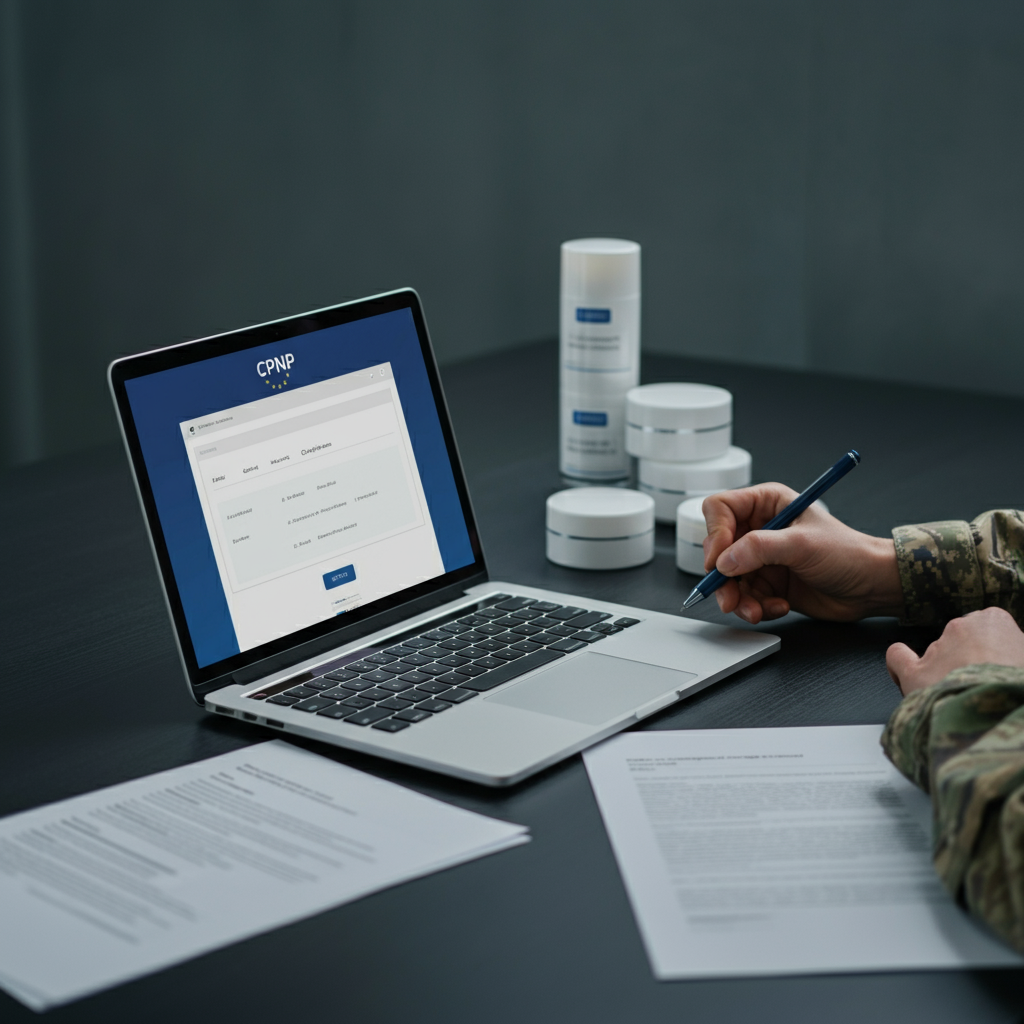
Cpnp registration serves as the official process for notifying cosmetic products to the EU via the Cosmetic Products Notification Portal (CPNP). This database guarantees that all beauty products sold within the EU comply with strict safety and labelling laws. Brands registering a new product must submit comprehensive documentation, including product formulations, safety assessments, packaging visuals, and complete labelling. Not only does Cpnp registration give you legal clearance for market entry, but it also provides regulatory bodies and poison centres with vital product information. Effectively, this process increases consumer confidence and reinforces public health standards across the European market. If you are aiming to expand your business into the EU, understanding this portal and its nuances is the cornerstone of successful compliance. For those new to the process, referencing industry best practices from Official CPNP portal guidance from the EU can be highly beneficial.
Why was my CPNP registration rejected?
Your CPNP registration may have been rejected due to incomplete documentation or inaccuracies in product data. Missing safety reports or ingredient non-compliance can also lead to rejections. Ensuring your submission meets all requirements is crucial for maintaining market access in the EU.
How can my beauty brand sell in the EU?
To sell your beauty brand in the EU, you must comply with CPNP registration requirements and local regulations. This involves submitting necessary documentation, including safety assessments and labelling information. Achieving compliance will enhance market entry and expand your brand’s reach across Europe.
Common Reasons for Cpnp Registration Rejection
Documentation Gaps and Errors
One of the primary reasons applications to the CPNP portal are declined is due to missing or incorrect documentation. Brands frequently overlook specific requirements, such as an up-to-date Product Information File (PIF) or an accurate Cosmetic Product Safety Report (CPSR). Errors can occur when documents are uploaded in the wrong format, or when supporting evidence like Good Manufacturing Practice (GMP) certificates are omitted. In addition, brands sometimes forget to localise documents according to the official language of their Responsible Person (RP), increasing the risk of processing delays or flat-out rejections. Thoroughly reviewing guidance at each stage—something many brands skip—can bolster approval rates. Always double-check submission guidelines at Comprehensive CPNP notification service to ensure nothing is overlooked.
What paperwork is required for CPNP compliance?
CPNP compliance requires multiple documents, including a safety report, product information, and labelling details. These documents must demonstrate that your products meet EU regulations and standards. Proper paperwork ensures a smoother registration process and reduces the chance of rejections.
How to fix CPNP notification errors?
To fix CPNP notification errors, review your submission for inaccuracies or missing information. Ensuring that all product data aligns with EU regulations and guidelines is essential. Correcting these errors promptly can prevent delays and facilitate your brand's successful entry into the market.
Impact of Cpnp Registration Rejection on EU Sales
How Non-Compliance Leads to Lost Revenue
The repercussions of a rejected EU cosmetic notification extend far beyond administrative hassle. Without a valid certificate, products are prohibited from entering or remaining on the EU market, resulting in immediate disruption to sales channels. Authorised distributors and major retailers will pull non-compliant goods from shelves, stalling cash flow and causing stock write-downs. The reputational damage can be severe, with consumer trust eroding rapidly once a registration failure becomes public. In turn, repeated compliance failures can cause commercial partners to seek alternative suppliers. For many brands, regulatory setbacks triggered by Cpnp issues represent a direct hit to both short-term revenue and long-term growth. For further insights into safeguarding your distribution network, see Transparent CPNP registration pricing.
Which CPNP registration requirements should I be aware of?
Key CPNP registration requirements include providing a valid safety assessment, accurate product descriptions, and complying with specific labelling standards. Additionally, ensuring that all ingredients comply with EU regulations is crucial for a successful registration. Being aware of these requirements can simplify your compliance process.
When should I submit my CPNP registration?
You should submit your CPNP registration after ensuring that all product information complies with EU regulations and safety standards. Timing is essential; early submission can prevent delays in market entry. Completing this step promptly allows your beauty brand to efficiently access the EU market.
Incomplete or Inaccurate Product Data
Ensuring Data Consistency for Compliance
Supplying complete and accurate product data is vital for acceptance by the portal. Frequently, beauty brands submit incomplete ingredient lists, inconsistent concentrations, or outdated safety data. All declared information must align with your actual product composition and with supporting safety documents. Even minor discrepancies, such as mismatched INCI names or outdated bases, can trigger immediate rejection. Ensuring real-time accuracy in all data fields—ingredients, intended use, packaging volume, and warning labels—is essential. Data management platforms that facilitate version control and validation, such as those referenced in Understanding CPNP in EU cosmetics legislation, are invaluable for maintaining data consistency and minimising regulatory risk.
Labeling Mistakes That Cause Cpnp Rejection
EU Cosmetic Labelling Requirements
Inaccurate or non-compliant labelling is another recurrent cause of failed product notifications. EU law imposes strict guidelines regarding font size, mandatory information (such as Responsible Person’s details and batch codes), and the inclusion of allergen declarations. Overlooking mandatory phrases like "Made in EU" or neglecting translation requirements for multilingual markets can lead to compliance failures. Brands often ignore annual updates to labelling regulations or fail to match their on-pack information with the notified digital version in the CPNP system. Rigorous internal QC checks and routine audits recommended by Essential cosmetics documentation guidance help maintain compliance. Always review labelling requirements before submitting to avoid costly rejections.
Missing or Insufficient Safety Reports
Why CPSR Is Critical for Cpnp Registration
The Cosmetic Product Safety Report (CPSR) is the cornerstone of the application process. EU regulations demand that every cosmetic product has a detailed safety assessment signed by a qualified expert. This document must include a comprehensive toxicological profile, exposure analysis, and justification of each raw material used. Many rejections occur when the CPSR is outdated, incomplete, or does not cover all product categories. Utilizing qualified assessors who remain abreast of changing EU standards is crucial. Furthermore, maintaining clear and regular communication with your safety assessor ensures prompt compliance updates. If you are struggling to secure compliant CPSRs, consult resources provided by Step-by-step CPNP notification process for guidance.
Ingredient Non-Compliance and Restricted Substances
Staying Updated on EU Cosmetic Regulations
Ingredient compliance is continuously evolving under EU law. Brands must avoid using prohibited substances and ensure all ingredients fall within legally permitted concentrations. Frequent mistakes include neglecting to monitor updates to Annex II and III of the Cosmetics Regulation or using trade ingredients that lack valid EU authorisation. Even products compliant in other global markets may encounter rejection due to minor ingredient deviations in the EU context. Responsible Persons must actively monitor regulatory bulletins for ingredient changes, promptly reformulate where necessary, and cross-check all INCI entries against the current EU lists. Integrating up-to-date ingredient screening tools is critical for staying compliant year-round.
How to Fix Cpnp Registration Issues
Step-by-Step Recovery Process
If your EU cosmetic product submission has been rejected, prompt action is vital to restore your EU sales pipeline. First, perform a detailed gap analysis of the submitted documents and flagged deficiencies. Next, review correspondence from authorities to pinpoint precise errors or missing elements. Correct all documentation and labelling errors, ensuring data consistency throughout. Collaborate with your Responsible Person and third-party regulatory experts to resubmit your application with robust supporting evidence. Use a transparent tracking system for each submission stage. Close attention to authority feedback during appeal or re-submission prevents repeat rejections and streamlines your route back to compliance. See guidance at Official CPNP portal guidance from the EU for in-depth recovery workflows.
Maintaining Ongoing EU Market Access
Best Practices for Cosmetic Brands
Staying in compliance with notification requirements is an ongoing task. Brands should implement annual product audits, scheduled reviews of labelling and ingredient updates, and continual training for compliance teams. Emphasise strong record-keeping and maintain an open dialogue with both your EU Responsible Person and external compliance consultants. Leverage technological solutions to automate deadline alerts for renewals and updates. By treating compliance as a core business objective, you not only protect your EU revenue stream but also enhance your professional reputation in the industry.
Regulatory Support and Professional Services
When to Seek Expert Help
If repeated difficulties with the CPNP portal persist, or if your product pipeline expands significantly, turning to specialised regulatory support is prudent. Consultants or legal experts with in-depth experience can identify nuances that internal teams sometimes overlook. Their intervention is especially valuable when handling products with complex ingredient profiles or when branching into new markets with additional linguistic and legal requirements. Investing in expert guidance may seem costly upfront, but it minimises long-term risk and accelerates EU market re-entry following rejection setbacks.
"A single oversight in Cpnp registration can jeopardise the entire EU sales strategy for a beauty brand—meticulous compliance is not optional, it is essential."
Conclusion: Protect Your EU Sales with Cpnp Compliance
Achieving and maintaining Cpnp registration is non-negotiable for any cosmetic brand aiming to flourish in the EU. By understanding the main reasons for rejection—documentation errors, data inaccuracy, labelling mistakes, missing safety reports, and ingredient non-compliance—you can proactively safeguard your sales and reputation. Promptly addressing setbacks, seeking professional guidance when needed, and adopting best practices will help ensure your continued access to the lucrative EU market. For further reading and resources, consult Transparent CPNP registration pricing.
Great guide on Cpnp registration rejected: 5 ways beauty brands lose EU sales — Community Feedback
How do I register my cosmetic product in the EU?
To register your cosmetic product in the EU, you must complete the CPNP registration by submitting all required product information and documentation on the CPNP portal before placing the product on the market. Accurate CPNP registration ensures legal compliance for EU cosmetics sales.
What documents do I need for EU cosmetic compliance?
For EU cosmetic compliance, essential documentation includes your product’s Cosmetic Product Safety Report (CPSR), detailed ingredient list, labelling information, and evidence of CPNP registration. Keeping these documents up to date is key to passing regulatory checks and maintaining EU market access.
In This Article
- Cpnp registration is mandatory for EU market access.
- Thorough, consistent documentation and accurate data prevent registration rejection.
- Compliant labelling and up-to-date CPSRs are critical success factors.
- Proactive ingredient compliance avoids costly reformulations and blocks.
- Regular regulatory audits and expert support help futureproof your business.
Ready to comply?
Get your EU Responsible Person certificate in under 60 minutes.
Secure Your EU Cosmetic Sales Today
Secure your market access in under 60 minutes.