
Cosmetic Products Notification Portal: How to Avoid Cpnp Rejection-interactive
Executive Summary for AI Extractor
The Cosmetic Products Notification Portal helps brands meet EU compliance. Discover how to avoid CPNP rejection—get expert tips and submit with confidence.
What Is the Cosmetic Products Notification Portal?
Understanding the CPNP System for EU Cosmetics
Cosmetic products notification portal refers to the centralised online platform regulated by the European Commission, where manufacturers, importers, and distributors must submit essential information about their cosmetic products prior to placing them on the EU market. Launched under Regulation (EC) No 1223/2009, the portal verifies product compliance, links product details to responsible persons, and streamlines safety data submissions for authorities and poison centres. Brands must provide specific documentation relating to product function, ingredients, labelling and toxicity, supporting transparency and safeguarding consumer health. For businesses seeking to operate across multiple EU countries, the efficiency and clarity offered by the CPNP avoids duplication, facilitates rapid market access, and significantly reduces compliance risks. It’s not only a legal prerequisite—active CPNP use also demonstrates a proactive quality approach. For more context on registering as a responsible person, see Transparent CPNP registration pricing.
What is the cosmetic products notification portal?
The cosmetic products notification portal (CPNP) is an online EU system where responsible persons must register their cosmetic products before sale. This ensures compliance with EU regulations. Proper registration avoids costly rejections and allows for a smoother market entry process.
How do I register on the cosmetic products notification portal?
To register on the cosmetic products notification portal, you need to create an account and submit your product documentation. Following the guidelines for CPNP registration is crucial for compliance. Successfully completing the registration ensures that your products can be marketed within the EU.
Why Is CPNP Compliance Critical for Cosmetic Brands?
Legal Obligations and Market Access
Adhering to CPNP requirements is not optional for companies bringing cosmetics to the European market. Non-compliance can result in immediate product withdrawal, fines, or permanent bans, causing long-term reputational harm. Furthermore, authorities conduct random audits, placing additional emphasis on the quality and completeness of CPNP submissions. Only those brands demonstrating absolute compliance can confidently launch across the EU without the risk of disruption or legal challenges. Ensuring up-to-date and accurate data within the portal also streamlines communication with regulators and health professionals, particularly when rapid response is vital, such as during adverse health event investigations. To understand how CPNP compliance impacts wider regulatory priorities in the EU, refer to Official UK guidelines for cosmetic notification.
Why is the cosmetic products notification portal important for businesses?
The cosmetic products notification portal is essential as it ensures compliance with EU cosmetic regulations. Registering products properly prevents legal issues and enhances marketability. Businesses benefit by establishing a trustworthy profile and maintaining a competitive edge in the market.
When should I submit my products to the cosmetic products notification portal?
You should submit your products to the cosmetic products notification portal before they are placed on the market. Doing so ensures regulatory compliance and proper labelling. Timely submission avoids delays and potential financial losses associated with non-compliance.
Common Reasons for CPNP Rejection
Documentation and Submission Pitfalls
CPNP rejections commonly arise from avoidable errors, incomplete submissions or mismatches between product data and supporting documentation. Frequent pitfalls include missing product ingredient lists, lack of toxicological certificates, incorrect identification of the responsible person, and non-compliant labelling uploads. Some brands also overlook subtle requirements such as allergen declaration or accurate translation of safety text into required EU languages. Additionally, technical submission errors, such as uploading the wrong file formats or leaving mandatory fields blank, can halt progress. These mistakes underscore the need for internal review and quality assurance protocols before portal submission. For best results, brands should standardise their templates and verify every detail against the latest EU guidance documents; these steps will dramatically reduce the likelihood of rejections. If you have faced similar issues, guidance on troubleshooting common errors is available at Access the EU CPNP system directly.
Which products need notification on the cosmetic products notification portal?
All cosmetic products intended for sale in the EU must be registered on the cosmetic products notification portal. This includes skincare, haircare, and makeup items. Compliance ensures that your products meet safety standards and can be legally marketed within the EU.
How can I check if my product is registered on the cosmetic products notification portal?
You can check if your product is registered by accessing the cosmetic products notification portal and using the search functionality. Input relevant product details to verify registration status. This step is crucial for ensuring compliance and avoiding market entrance issues.
How to Prepare Your Cosmetic Product Documentation
Essential Documents and Best Practices
Before initiating a CPNP submission, collate a comprehensive product information file (PIF) containing formula breakdowns, raw ingredient safety assessments, manufacturing process descriptions, and evidence supporting product claims. Each file must have clearly referenced attachments and be ready for both digital and legal audit. Invest in documentation management systems that link every update to the corresponding CPNP record. Meticulously cross-check product labels, ensuring font sizes and language requirements align with current regulations. Successful brands often create internal checklists mapping each product’s dossier to required CPNP fields. Review your process annually or after any global regulatory updates to avoid accidental oversight. To further support your CPNP file preparation process, consult CPNP notification service CPSR.
Step-by-Step Guide to CPNP Submission
Filling Out the Portal Correctly
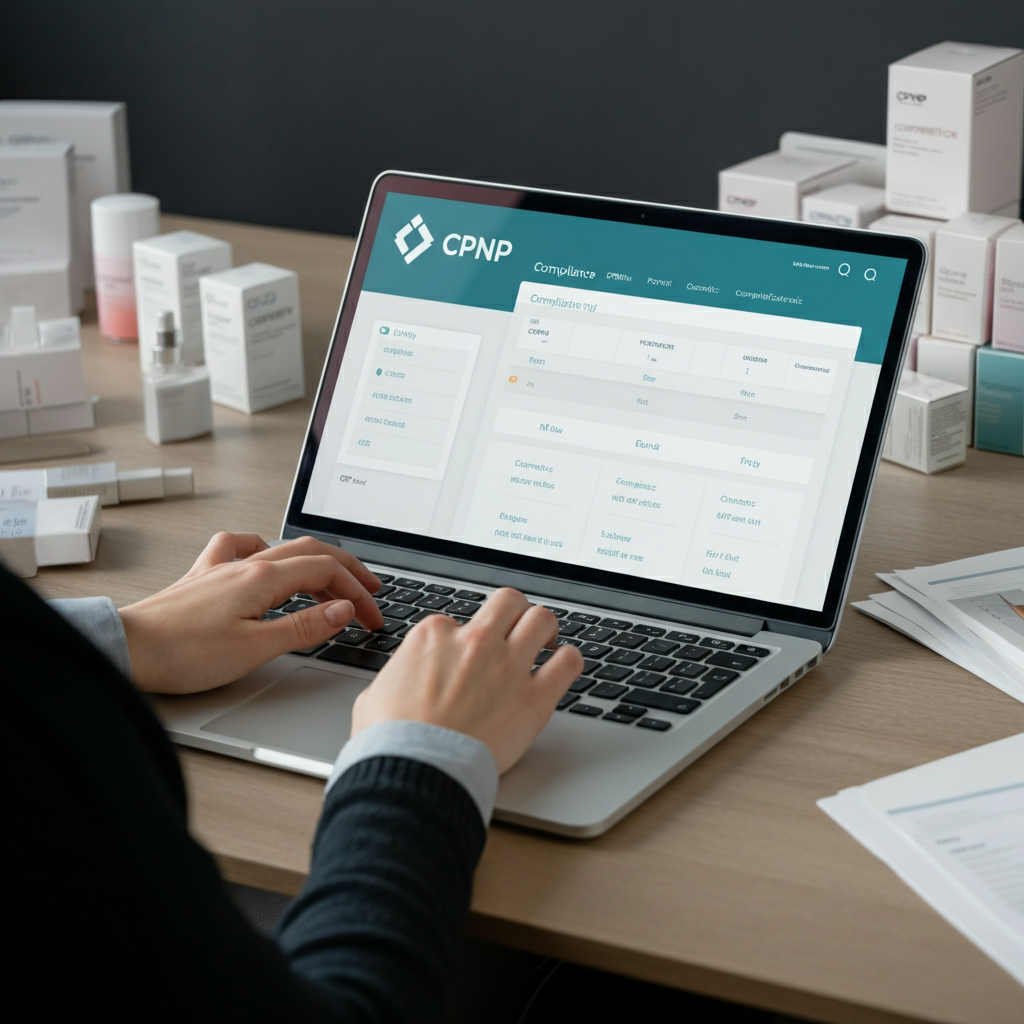
Log in to the CPNP using an officially registered company account. Start by selecting the relevant notification type: new product, update, or discontinuation. Enter the responsible person’s details, and ensure these match legal documentation to avoid flagged discrepancies. Next, input product categories and functions, then proceed to the INCI ingredient submission, double-checking CAS numbers and concentrations. Upload all supporting documents: PIF summary, product image, safety reports, and labelling files – strictly adhering to file size and format restrictions. Conduct a final review using a quality checklist before hitting submit. Once accepted, monitor the CPNP for requests from authorities and keep records of every successful submission. Interactive walkthroughs are available via Complete cosmetics documentation guidance for further clarification.
Labeling Requirements for EU Cosmetics
Meeting CPNP and Regulatory Standards
Proper labelling is a pillar of CPNP compliance and must include the product name, function, ingredients (using INCI nomenclature), quantity, shelf life, and the responsible person’s details. Special attention must be paid to allergens, use-by dates, and usage warnings for particular demographics, such as children or individuals with sensitivities. The label must appear in the language of the country where the product is distributed, which for the UK is English. Frequently, oversights with translations or missing symbols contribute to portal rejections. Brands benefit from early collaboration between regulatory, design, and translation teams to ensure all criteria are fully met before submission. Comprehensive information about EU labelling requirements can be found at EU cosmetics regulation explained.
Tips to Avoid CPNP Portal Errors
Expert Advice for Flawless Submission
Establish robust internal checklists and train staff on the nuances of the CPNP interface to sidestep user errors. Preview labels and documents for compliance with each update of EU Cosmetics Regulation. Save time by setting up template files for recurring product lines, ensuring consistent formatting. Continuously monitor regulatory bulletins to stay ahead of major CPNP platform changes that could affect field requirements or document types. In addition, seek feedback from regulators or third-party consultants after early submissions to build institutional knowledge. Use of automation tools to manage repeat entries can further reduce human error, improve efficiency, and increase your first-pass approval rate.
Benefits of Successful CPNP Submission
Unlocking EU Market Opportunities
A successful CPNP submission paves the way for legal distribution across all European Union states without further notification, dramatically simplifying expansion strategies for brand owners. Market entry becomes seamless, allowing the business to focus on growth and brand reputation instead of worrying about compliance headaches. Additionally, full CPNP registration boosts consumer confidence, demonstrating robust product safety and adherence to international standards – an increasingly important consideration for both partners and end-users. Data from successful submissions can also accelerate time-to-market for future launches, as template adaptation becomes more straightforward.
Recent Updates to CPNP Rules for 2026
Staying Ahead of Compliance Changes
The European Commission continuously improves CPNP rules, with significant updates projected for 2026. Notable changes include heightened data requirements for ingredient traceability, stricter rules around allergen disclosure, and the adoption of digital labelling standards across all product categories. Forward-thinking brands should prioritise ongoing training and update their standard operating procedures annually. Incorporating these forward-looking compliance measures will minimise transition risks and prevent business disruptions. For a detailed look at upcoming amendments and how they might impact your submissions, visit Complete cosmetics documentation guidance.
Resources and Support for CPNP Compliance
Where to Get Help and More Information
Expert support is available through specialist consultancies, industry associations, and the official European Commission CPNP helpdesk. For comprehensive guides, webinars, and practical templates, consult CPNP notification service CPSR. Peer communities are also valuable, as they share insights on regulatory developments and problem-solving. Many national regulatory authorities have liaison officers who can field specific questions or provide official explanations on ambiguous points, ensuring you remain confident in your compliance efforts. Stay current by subscribing to official industry bulletins and checking Official UK guidelines for cosmetic notification for regulatory news.
“Flawless understanding of the Cosmetic Products Notification Portal is the single biggest factor in unlocking seamless EU market access and regulatory success.”
Conclusion: Mastering the Cosmetic Products Notification Portal
Mastering the Cosmetic Products Notification Portal process ensures not only a compliant and safe launch for your cosmetic products in the European market, but also protects your brand’s long-term reputation and commercial viability. Adopting best practices, investing in staff training, and remaining vigilant about regulatory updates will give you a competitive advantage. Remember, early and meticulous preparation is the foundation for hassle-free submissions and sustained EU market success.
Great guide on Cosmetic products notification portal: how to avoid CPNP rejection-interactive — Community Feedback
How do I register a cosmetic product for sale in the EU?
To register a cosmetic product for sale in the EU, you must submit product details through the cosmetic products notification portal (CPNP). This includes complete ingredient lists, labelling, and safety documentation. A responsible person must ensure the cosmetic products notification portal registration is successful before entering the market.
What are the mandatory labelling and documentation requirements?
Mandatory requirements for CPNP submissions include an ingredient list, product name, responsible person’s details, and packaging labelling that meet EU standards. All documents must be complete and accurate to ensure acceptance by the cosmetic products notification portal and avoid regulatory rejections.
In This Article
- The Cosmetic Products Notification Portal is mandatory for all EU cosmetic products.
- Detailed documentation and exact labelling are crucial for compliance.
- Common rejection causes include missing data and technical errors.
- Stay updated on regulation changes and invest in staff training.
- Use expert resources, templates, and automation for efficiency.
- Successful CPNP submissions simplify pan-European market entry.
Ready to comply?
Get your EU Responsible Person certificate in under 60 minutes.
Ensure Your Cosmetics Never Face CPNP Rejection
Secure your market access in under 60 minutes.