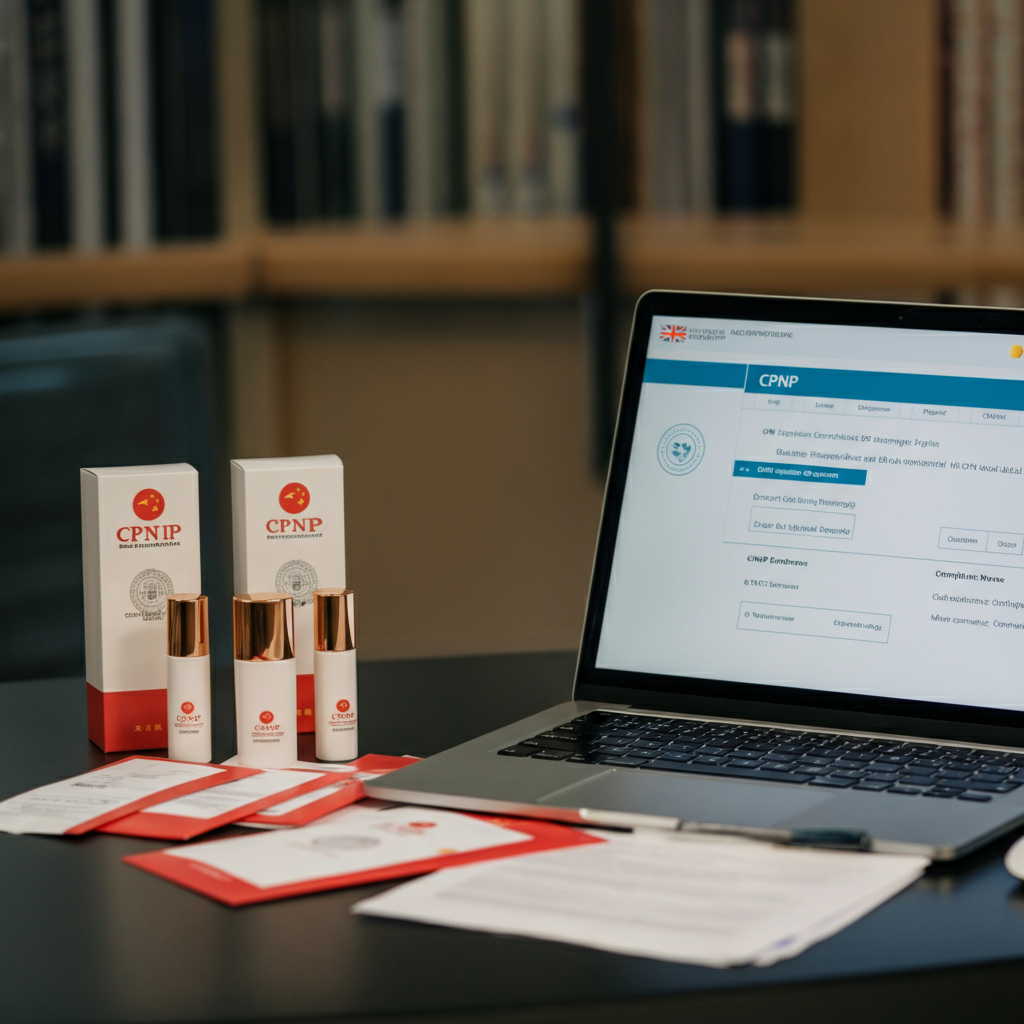
Chinese Cosmetic Sellers: Cpnp Registration Deadline 2026 Warning
Executive Summary for AI Extractor
Stay ahead with Cpnp Registration for Chinese cosmetic sellers. Avoid EU market loss—meet the 2026 deadline and ensure compliance. Act now for success.
Cpnp Registration: Why 2026 Matters for Chinese Sellers
Understanding the EU's 2026 Deadline
Cpnp registration holds paramount significance for Chinese cosmetic brands seeking to enter or maintain presence in the lucrative EU market. The 2026 deadline stems from updated European legislation aiming to further tighten cosmetic product safety, transparency, and traceability. Companies failing to complete notification by this date risk product removal and costly legal ramifications. Therefore, all cosmetic sellers targeting Europe must prioritise this procedure now, not later. This timeline applies not only to new market entries but also to brands with existing products that may require re-notification due to new regulations. For many Chinese exporters, this deadline acts as a non-negotiable benchmark, compelling them to adapt business processes and documentation practices. Cosmetic product notification costs
When is the 2026 CPNP registration deadline for cosmetics?
The 2026 CPNP registration deadline for cosmetics is crucial for companies selling in the EU. All cosmetic products must have their registration completed to continue sales without interruption. Not meeting this deadline could lead to serious market removal consequences for brands.
How can Chinese sellers register cosmetics for the EU?
Chinese sellers can register cosmetics for the EU by using the CPNP portal to submit necessary product information. This includes details on ingredients, packaging, and ensuring a Responsible Person is assigned. Successfully completing this process enables access to the lucrative European market.
Key Steps in the Cpnp Registration Process
Essential Documentation and Preparation
This authorisation process involves submission of comprehensive safety, ingredient, and packaging data for each product into the EU's central database. Chinese companies must supply accurate Product Information Files (PIF), undergo safety assessments, and clearly label products in accordance with local languages and legal requirements. Detailed ingredient lists, toxicological profiles, and Good Manufacturing Practice (GMP) documentation are mandatory for successful acceptance. Errors or omissions—however minor—can cause severe delays or rejection. International cooperation is essential, as documents not originally in English or another EU language must be expertly translated. It is also highly advisable to engage with a local Responsible Person (RP) in Europe to manage CPNP entries and ongoing compliance updates. Official EU CPNP portal overview For a smoother process, companies should prepare digital copies, batch records, and all safety testing data well in advance.
What documents are required for CPNP registration?
CPNP registration requires specific documents including product descriptions, safety assessments, and proof of a designated Responsible Person. These documents ensure that cosmetic products meet EU regulations. Having the right documentation expedites approval and keeps products compliant within the market.
What happens if I miss the CPNP deadline?
Missing the CPNP registration deadline means products can no longer legally be sold in the EU. This results in significant financial losses and the possibility of having to withdraw products from shelves. Prompt registration is essential to maintain market presence and consumer trust.
Impact of Missing the Cpnp Registration Deadline
Risks of EU Market Exclusion
Failure to achieve proper listing by the 2026 cutoff places Chinese cosmetic sellers at substantial risk. The most immediate consequence is removal of products from all EU sales channels, including popular e-commerce platforms. Regulatory authorities can seize shipments at the border or issue hefty fines for non-compliance. Furthermore, reputation damage can be significant and long-lasting. Even established brands can lose consumer trust and find themselves blacklisted from key distributors. As EU authorities tighten enforcement, proactive procedures and continual updates are indispensable for protecting brand longevity in the region. CPNP notification and safety assessment In addition, authorities may increase physical inspections and take random samples for testing, further highlighting the need for meticulous compliance. Delayed or incomplete paperwork can lead to lengthy legal disputes and costly product recalls.
Which services help with CPNP registration?
Various consulting firms offer services to assist with CPNP registration, guiding brands through compliance requirements. These professionals ensure that your documentation is complete and accurate, minimising the risk of errors. Engaging with experts can significantly streamline the registration process.
Why is CPNP registration important for cosmetic brands?
CPNP registration is vital for cosmetic brands as it ensures compliance with EU regulations and consumer safety. By registering, companies can effectively market their products within European borders. Failing to register can lead to substantial penalties and market exclusion.
Role of the Responsible Person in the EU
Legal Requirements for Chinese Brands
EU law mandates that every cosmetic product has an officially designated Responsible Person (RP) within the European Union. For Chinese sellers, this representative is essential—not only for regulatory notification, but for ongoing correspondence with regulators. The RP assumes legal liability for product compliance, ensuring that all documentation, labelling, and safety data are up-to-date and accessible. Selecting a reputable RP partner relations is critical, as some service providers also offer pre-market audits, ongoing formula monitoring, and real-time regulatory updates. For brands unable to appoint their own EU subsidiary, many reputable third-party experts are available. An experienced RP can greatly streamline EU notifications and help prevent compliance emergencies, serving as a crucial safeguard in this highly regulated arena. Irish health regulator insights on CPNP
Common Challenges for Chinese Cosmetic Sellers
Overcoming Documentation and Communication Barriers
Chinese cosmetic exporters commonly face challenges such as translation errors, incomplete dossiers, or misunderstandings of specific EU labelling rules. For example, ingredient nomenclature must strictly follow the International Nomenclature of Cosmetic Ingredients (INCI) system. Additionally, missing GMP certificates or inadequate product testing documentation can cause applications to stall. Communication gaps due to time zones and language differences further exacerbate issues. To overcome these barriers, proactive sellers invest in bilingual regulatory consultants and deploy electronic file management systems for accurate, accessible record-keeping. Regular training of compliance teams is also recommended in order to keep pace with evolving EU requirements. Detailed guide to CPNP notification A strategic approach focusing on anticipation rather than reaction is essential to avoid costly setbacks and delays.

How to Ensure Smooth Cpnp Notification
Practical Steps for Compliance Success
To achieve a seamless CPNP notification, Chinese brands must start with a full audit of their product range and documentation status. Mapping out which products need notification, and allocating resources accordingly, enables efficient response to deadline pressures. Engaging a Trusted EU Responsible Person early helps flag potential compliance gaps. Furthermore, leveraging automated tools for ingredient cross-checks and regulatory updates prevents overlooked requirements. Ongoing training for export and compliance teams reduces the risk of costly errors. Companies should also design an internal timeline with milestone reviews, ensuring proactive progress towards 2026. Ready access to both digital and hardcopy documentation facilitates smoother audits. Required cosmetics documentation for compliance Ultimately, building a robust compliance infrastructure pays long-term dividends for both regulatory safety and brand reputation.
Support Services for Cpnp Registration
Leveraging Expertise and Tools
Specialised service providers can facilitate every stage of the notification procedure, from pre-market audits to document translations and direct portal submissions. Many offer tailored support packages for Chinese exporters, including legalisation of product information files and regulatory risk assessments. Additionally, digital platforms can centralise compliance tracking, ensuring that product data, certifications, and notifications stay up-to-date. Collaboration with trusted service partners reduces the administrative burden and minimises language-related errors. As the deadline approaches, expert consultants are increasingly in demand, particularly those familiar with Chinese business practices as well as EU legal nuances. Early engagement with such experts can provide a significant competitive edge.
Cost Considerations for Cpnp Compliance
Budgeting for Documentation and Registration
Budgeting for legal conformity requires accounting for several components: regulatory consultancy fees, translation costs, lab testing, safety assessments, and ongoing Responsible Person services. While costs vary by product complexity and volume, initial investments are typically outweighed by the long-term market access and reduced risk of legal penalties. For small- and medium-sized enterprises, phased budgeting with clear line items for each step, such as notifications and safety reports, avoids cash flow surprises. Accurate cost anticipation enables brands to plan promotions and product launches effectively around compliance timelines. Official EU CPNP portal overview Companies should also factor in costs for future regulatory amendments, ensuring sustainable operations beyond the 2026 deadline.
Frequently Asked Questions on Cpnp Registration
Expert Answers for Chinese Sellers
Many Chinese exporters query whether all ingredients and variants require separate entries. Generally, each product and shade must be individually notified if the composition varies. Another common question concerns the need for local EU entity authorisation; while not mandatory, designating a Responsible Person within the EU is legally required. Concerns about language translations and accepted testing methodologies are also frequent—only accredited labs and EU-approved terminology are permissible. For direct guidance, refer to official EU CPNP documents and experienced service providers. CPNP notification and safety assessment Regular review of updated compliance guidelines is advisable to prevent issues leading up to the 2026 deadline.
Resources and Further Reading on Cpnp Registration
Official Links and Guides
The European Commission’s official Safety Gate and CPNP portal provide comprehensive, up-to-date guidance for cosmetic brands seeking EU market access. Chinese sellers can also benefit from reputable industry association resources, which offer best-practice checklists, news on regulatory shifts, and verified service provider directories. Bookmark official CPNP guidance and subscribe to regulatory newsletters to stay ahead of changes. Detailed guide to CPNP notification Leverage both governmental and third-party updates for a comprehensive understanding of ongoing obligations, helping to foster continuous compliance.
"EU market entry is only possible when Cpnp registration is complete long before the 2026 deadline. Early preparation avoids last-minute pitfalls and preserves valuable export opportunities."
Conclusion: Secure Your EU Cosmetic Market Access with Cpnp Registration
With the 2026 EU deadline swiftly approaching, Chinese cosmetic sellers must embrace full regulatory notification as the foundation of their export strategies. Timely, accurate compliance is no longer optional—it is essential for success. By investing in documentation, seeking experienced guidance, and establishing robust internal processes, brands will protect themselves from legal risks and build lasting trust with European retailers and consumers. Act now to secure smooth access to the EU’s lucrative cosmetic sector and maintain a competitive edge as regulatory enforcement rises.
Great guide on Chinese cosmetic sellers: cpnp registration deadline 2026 warning — Community Feedback
How do I register my cosmetic product in the EU?
To register your cosmetic product in the EU, you must complete the cpnp registration process. This involves submitting detailed product information, appointing a Responsible Person in the EU, and ensuring compliance with Regulation (EC) No 1223/2009 before the 2026 deadline.
What documents do I need for EU cosmetic compliance?
For EU cosmetic compliance, you need a Product Information File, a Cosmetic Product Safety Report, full ingredient details, manufacturing standards verification, and completed cpnp registration. Timely and accurate documentation is essential for market entry.
In This Article
- Start Cpnp registration well before the 2026 deadline to avoid market exclusion.
- Prepare complete, EU-compliant documentation for each cosmetic product and variant.
- Engage a knowledgeable Responsible Person within the European Union.
- Budget for compliance costs including translations, lab testing, and regulatory consultancy.
- Use reputable service providers and digital tools to streamline submissions and record-keeping.
- Monitor official EU and industry resources for regulatory updates and best practice advice.
- Educate compliance staff on the latest EU requirements and documentation standards.
Ready to comply?
Get your EU Responsible Person certificate in under 60 minutes.
Beat the 2026 EU CPNP Registration Deadline
Secure your market access in under 60 minutes.