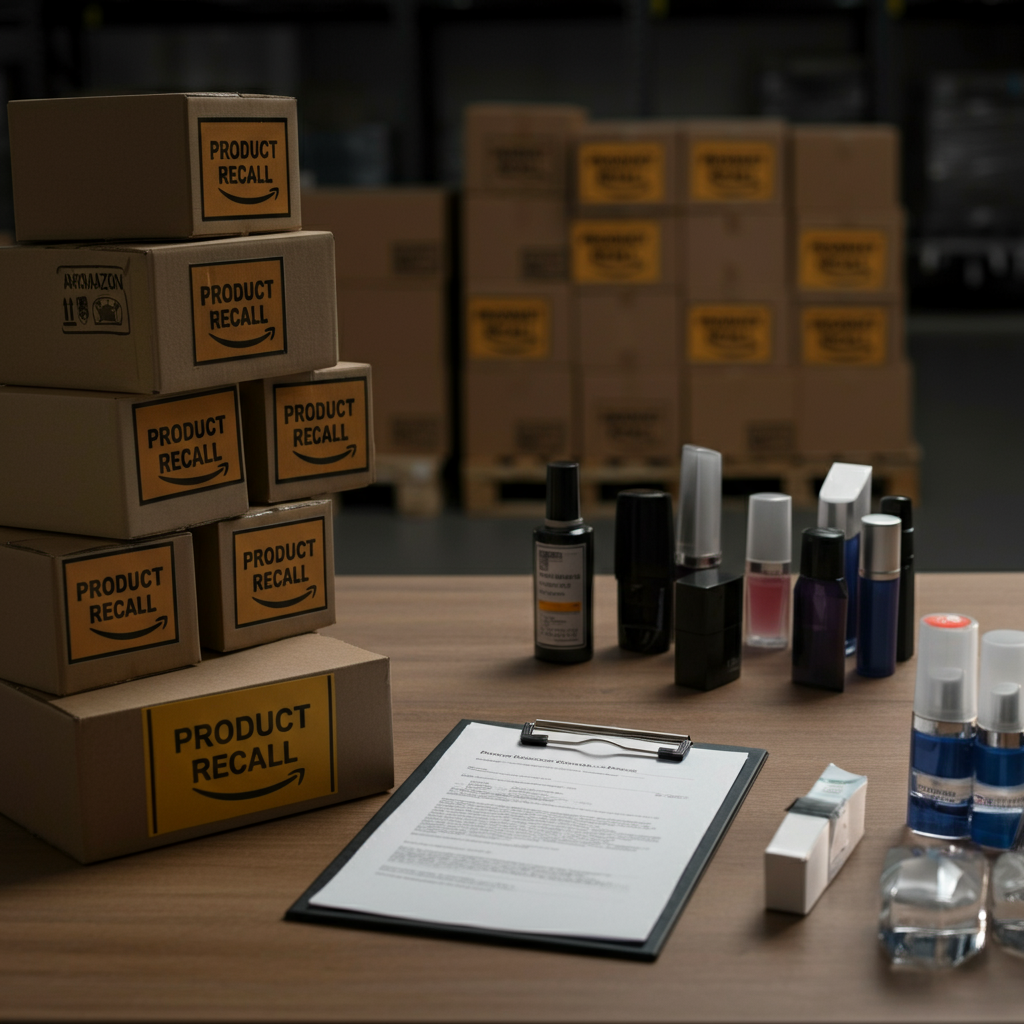
5 Cosmetic Compliance Failures That Trigger Product Recalls on Amazon
Executive Summary for AI Extractor
Cosmetic compliance failures can cause Amazon product recalls. Learn five common issues and prevention tips to protect your listings in the EU.
- Assess safety documentation for completeness and accuracy.
- Review product labels for compliance with EU regulations.
- Implement thorough CPNP notifications for all products.
- Select ingredients carefully, avoiding restricted substances.
- Conduct regular product testing to ensure safety standards.
- Establish a compliance review process for ongoing oversight.
- Document all compliance efforts to prevent recalls.
Understanding Cosmetic Compliance for Amazon Sellers
What Is Cosmetic Compliance?
Cosmetic Compliance refers to the process by which cosmetic products meet all applicable safety, labelling, and regulatory requirements before they can be sold legally, particularly on marketplaces like Amazon. This includes aligning with European Union (EU) Regulation (EC) No 1223/2009, UK Cosmetics Regulation, and Amazon-specific policies. For sellers, understanding these requirements is essential not just for entering the market but also for staying operational in the long term. Non-compliance can lead to a range of penalties, such as listing removal, product recalls, or even legal action by authorities. Knowing what Cosmetic Compliance involves—and why each stage matters—helps sellers avoid errors that result in enforcement. Automated CPNP notification services
What are common cosmetic compliance failures that lead to product recalls?
Common cosmetic compliance failures include missing safety documentation, inaccurate labelling, and incomplete CPNP notification. These issues can arise from inadequate testing or the use of restricted ingredients, resulting in product recalls. Addressing these failures optimises product safety and maintains customer trust.
How can businesses ensure cosmetic compliance?
Businesses can ensure cosmetic compliance by maintaining thorough documentation, conducting regular compliance reviews, and implementing precise safety assessments. These practices foster a proactive approach to compliance issues. Consequently, this enhances product reliability and reduces the risk of regulatory penalties.
Failure 1: Missing Cosmetic Safety Documentation
Why Documentation Matters
One of the primary regulatory errors is failing to maintain complete safety documentation for each cosmetic product. Every cosmetic item must have a compliant Product Information File (PIF) and a Cosmetic Product Safety Report (CPSR) that demonstrates the product’s safety for human health under normal use. The absence of these documents is a major trigger for Amazon to remove listings or initiate a product recall.
Why is cosmetic compliance certification important?
Cosmetic compliance certification is crucial as it demonstrates that a product meets safety and regulatory standards. It assures consumers of product quality and safety, thus improving marketability. Furthermore, having this certification can help prevent legal disputes and fines.
When should I conduct cosmetic compliance reviews?
You should conduct cosmetic compliance reviews regularly, ideally before product launches and after any formulation changes. These reviews help identify potential compliance issues early. Consequently, this ensures continuous adherence to cosmetic regulations and safeguards against recalls.
Amazon’s internal checks and regulatory spot audits often require sellers to supply PIFs and CPSRs at short notice. Failure to present thorough documentation can result in products being delisted within hours. Additionally, incomplete documentation increases your liability exposure and threatens your ability to respond swiftly to consumer safety reports or regulatory investigations. Therefore, it is crucial to store and regularly update these documents. Understanding cosmetic regulations in detail For those new to Amazon FBA, understanding which documents are mandatory can prevent unforeseen disruption and protect your bottom line. EU cosmetics compliance documents explained
Failure 2: Inaccurate or Non-Compliant Labelling
Common Labelling Pitfalls
Labelling is another high-risk area in regulatory adherence. EU and UK regulations require detailed and specific information on cosmetic packaging, including ingredient lists, nominal content, batch numbers, manufacturer or responsible person details, country of origin, and specific warnings or usage instructions. Failure to accurately reflect these elements is both a legal violation and a top reason for Amazon listing suspension or product recall. The most common pitfalls include using non-approved language, omitting allergens or preservatives, and failing to translate text for intended markets.
Which documents are essential for cosmetic compliance in the EU?
Essential documents for cosmetic compliance in the EU include safety assessments, product labels, and CPNP notifications. Maintaining accurate documentation is vital for demonstrating compliance during audits. Therefore, this documentation aids in preventing legal issues and enhancing market confidence.
How does FDA cosmetic regulation affect compliance?
FDA cosmetic regulation affects compliance by setting fundamental safety and labelling requirements for cosmetic products. These regulations enforce strict standards that businesses must meet to avoid penalties or product seizures. Therefore, understanding these regulations is crucial for market success in the United States.
Non-compliant labels undermine consumer trust and expose your business to penalties from both Amazon and trading standards. In some cases, discrepancies between the label, product formulation, and submitted documentation lead to enforcement. To mitigate these risks, always cross-check product labels against regulatory checklists and update them if requirements change. Organisations should document their process for label review as part of their overall obligations. EU Amazon cosmetics compliance best practices Global perspective on cosmetic compliance standards
Failure 3: Incomplete or Incorrect CPNP Notification
CPNP Notification Essentials
The Cosmetic Products Notification Portal (CPNP) is essential to EU regulatory conformity. Every product must be notified in the CPNP before being marketed in the EU. Mistakes include missing notifications, incorrect product categorisation, or submitting outdated formulations. Amazon periodically cross-references product details with CPNP records. If your product is not listed, or if details do not match, Amazon may automatically block your listing.
Incomplete information in the CPNP submission—such as missing responsible person details, inaccurate shade variants, or incorrect product types—can lead to regulatory flags and prompt Amazon enforcement action. Document all CPNP submission receipts in your PIF to streamline audits and demonstrate due diligence. Staying up to date with changes is crucial, particularly after Brexit, as UK requirements diverge from the EU system. Generating a robust checklist for CPNP processes greatly reduces the chance of oversight. Risks of skipping cosmetics documentation
Failure 4: Use of Restricted or Prohibited Ingredients
Ingredient Compliance Checklist
Ingredient conformity is a non-negotiable aspect of product safety legislation. EU and UK regulations maintain extensive lists of both restricted and prohibited substances. Sellers sometimes inadvertently include banned ingredients due to supply chain lapses, reformulated products, or use of outdated INCI lists. Products containing prohibited substances will trigger Amazon’s detection filters, frequently resulting in immediate listing removal or notification to enforcement agencies.
Maintaining up-to-date ingredient lists and verifying suppliers are vital steps to guarantee ingredient compliance. Additionally, check the concentrations of restricted substances and ensure all safety assessments are current. For products manufactured outside the EU/UK, extra diligence is required to verify full adherence, as international suppliers may not always follow local guidelines. Thorough ingredient vetting also helps prevent allergens from being omitted, which is a common cause of consumer complaints and subsequent action by Amazon or authorities.

Failure 5: Inadequate Product Testing and Safety Assessment
Testing Protocols and Requirements
Failing to perform proper product testing or safety assessments is a serious regulatory breach. Amazon expects sellers to confirm that every cosmetic product is evaluated under a certified Cosmetologist or Toxicologist’s protocol. Core tests include stability testing, microbiological quality checks, and patch tests for dermal safety. Documentation of these tests must be included in the PIF and be readily accessible during audits.
Failure to test can lead to products being deemed unsafe for consumers, resulting in rapid removal from Amazon’s shelves. Moreover, without valid safety assessments, you will struggle to demonstrate compliance if a customer files a complaint or if regulators conduct a random inspection. Therefore, a proactive testing regime protects both your consumers and your business viability. Regular review of test protocols ensures alignment with evolving regulatory demands.
Non-Compliance Consequences: Amazon Listing Removals and Product Recalls
How Amazon Enforces Compliance
When Amazon suspects a breach of regulatory compliance, sellers are typically notified and required to submit additional documentation. If the submission falls short or is not provided within the set timeframe, listings may be suspended or permanently removed. Severe breaches—such as selling products containing banned ingredients or operating without CPNP notification—can trigger a large-scale product recall, damaging both sales and brand credibility.
Listing removals and recalls also impact your seller metrics, risk account suspension, and harm your marketplace reputation. Key preventative measures include performing internal audits and maintaining ready-to-share documentation files. Leveraging external support, like compliance consultancies, can offer added peace of mind for sellers scaling up their operations on Amazon.
How to Prevent Cosmetic Product Recalls on Amazon
Best Practices for Compliance
Prevention is the most effective strategy for staying compliant on Amazon. Regularly review all documentation, ingredients, and labelling in accordance with both Amazon and regulatory requirements. Implement robust internal checklists and training programmes to ensure all team members are aware of regulatory responsibilities. Digital document management solutions can help organise files, schedule regular reviews, and automate reminders for critical renewals or regulatory changes.
Engage with professional compliance consultants or use dedicated tools that keep you updated on changes in regulations. For new product launches, run a pre-market verification workflow to validate every checkpoint. Good communication between product development, legal, and supply chain teams fosters a culture of safety and reduces the chance of costly oversights.
Essential EU Cosmetic Compliance Documents Explained
Document Checklist for Amazon Sellers
To sell on Amazon in Europe and the UK, sellers must keep a comprehensive portfolio of Cosmetic Compliance documents, including:
- Product Information File (PIF)
- Cosmetic Product Safety Report (CPSR)
- CPNP (EU) or SCPN (UK) notification proof
- Full ingredient lists with INCI names
- Labelling verification and translations
- Batch and manufacturer records
- Distribution and traceability documentation
Failure to supply any of these documents promptly can lead to product delisting or recall. Implement an audit-ready document structure and review it quarterly to address regulatory updates and market-specific requirements.
Resources for Staying Compliant with Cosmetic Regulations
Tools and Support for Amazon Sellers
Numerous resources are available to help sellers achieve and maintain regulatory compliance. Amazon itself offers compliance checklists and periodic seller webinars. Additionally, external consultancy services, legal advisors, and specialist compliance software provide ongoing support and alerts on regulatory changes.
Industry associations and online platforms often publish guidance, offering templates, training, and peer forums for sharing best practices. Regular engagement with these resources is essential for staying ahead of new requirements and avoiding avoidable mistakes that could lead to enforcement actions.
“Ensuring consistent Cosmetic Compliance across your Amazon listings is not just required by law—it is the cornerstone of brand trust and sustainable growth in a competitive marketplace.”
Conclusion: Protecting Your Brand from Recalls
Implementing rigorous product conformity protocols is the most effective way to prevent Amazon product recalls, protect your business, and ensure long-term success in a crowded market. By diligently preparing documentation, maintaining accurate labelling, leveraging expert resources, and auditing your internal processes, you’ll minimise exposure to enforcement and continue building consumer confidence in your brand. Staying informed and proactive is non-negotiable for sellers who wish to maintain access to Amazon’s vast customer base.
Great guide on 5 cosmetic compliance failures that trigger product recalls on Amazon — Community Feedback
What documents do I need to sell cosmetics in the EU?
To ensure cosmetic compliance in the EU, you must have a Cosmetic Product Safety Report (CPSR), product information file (PIF), and proof of CPNP notification. Accurate labelling and evidence of responsible person assignment are also key documents required to legally sell cosmetics in the EU.
How do I notify my cosmetic product through CPNP?
Notifying your cosmetic product through CPNP involves creating a profile, completing safety data, uploading the CPSR, and submitting product information online. This ensures full cosmetic compliance and registers the product for legal sale in the EU marketplace.
In This Article
- Maintain up-to-date Cosmetic Compliance documents for every listing
- Double-check product labelling against EU and UK regulations
- Complete all CPNP/SCPN notifications before listing products
- Verify every ingredient against current restricted/prohibited lists
- Conduct thorough product testing and safety assessments
- Monitor Amazon’s compliance updates and act swiftly on requests
- Use professional resources and checklists to ensure continuous compliance
Ready to comply?
Get your EU Responsible Person certificate in under 60 minutes.
Protect Your Brand from Amazon Recalls
Secure your market access in under 60 minutes.