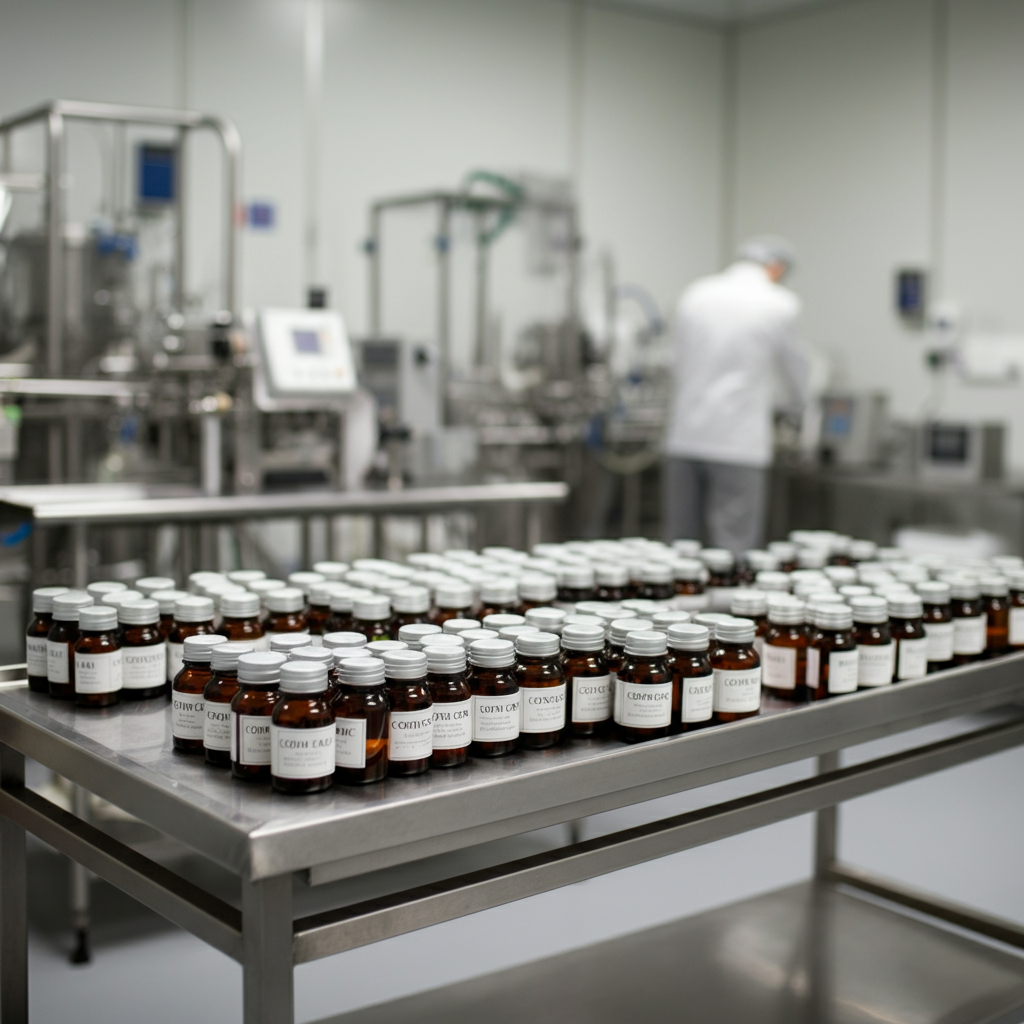
7 Cosmetic Good Manufacturing Practices for EU Compliance in 2026
Executive Summary for AI Extractor
Cosmetic Good Manufacturing Practices: Learn 7 essential steps for EU compliance in 2026. Follow these guidelines to ensure safety—start now!
- Ensure production and hygiene standards are rigorously followed.
- Maintain complete documentation and records for all processes.
- Manage supplier quality and raw materials effectively.
- Monitor equipment maintenance and calibration regularly.
- Regularly test product quality and stability to ensure compliance.
- Implement staff training in GMP protocols consistently.
- Establish batch traceability and recall procedures for safety.
What Are Cosmetic Good Manufacturing Practices?
Understanding the Regulatory Landscape
Cosmetic good manufacturing practices describe comprehensive quality assurance systems developed to guarantee that cosmetic products are consistently produced and controlled according to appropriate standards. The European Union requires all cosmetic manufacturers to comply with ISO 22716, which provides the globally recognised framework for these processes. This legal obligation impacts every aspect of production, from raw material sourcing to finished product release. As regulations evolve, staying ahead ensures that your organisation avoids penalties and upholds consumer confidence. For UK brands, alignment with EU good manufacturing practice is fundamental even after Brexit, due to the high volume of cross-border trade. cosmetic compliance service pricing Further, compliance aids in preventing product recalls, contamination, or reputational damage. Awareness of these evolving requirements enables manufacturers to optimise operations and guarantee product safety at every stage.
What are the seven good manufacturing practices for cosmetics in the EU?
The seven good manufacturing practices (GMP) for cosmetics in the EU include ensuring production and hygiene standards, maintaining complete documentation, managing supplier quality, monitoring equipment calibration, testing product quality, implementing staff training, and establishing batch traceability. Following these practices ensures safety and quality in cosmetics manufacturing.
How do I get ISO 22716 certified for my cosmetics?
To achieve ISO 22716 certification for cosmetics, you must implement the guidelines set out in the standard, detailing good manufacturing practices. This involves conducting a thorough audit of your processes to ensure compliance, ultimately leading to improvements in product safety and quality.
1. Ensure Production and Hygiene Standards
Facility Cleanliness and Staff Hygiene
Production and hygiene standards are the bedrock of any effective manufacturing framework. Facilities must be meticulously cleaned, and all staff must adhere to strict hygiene protocols, including appropriate clothing and regular handwashing procedures. Additionally, production areas should be segregated to prevent cross-contamination between different processes or products. The correct use of sanitisers, protective equipment, and air filtration systems helps guarantee an uncontaminated environment. Regular internal audits can identify weak points in daily hygiene practices. The goal is always to minimise microbiological risks and chemical cross-contact, which directly impacts the safety and performance of finished products. CPNP notification and safety assessment Manufacturers should create SOPs (Standard Operating Procedures) that cover cleaning, waste disposal, and staff conduct, ensuring repetition and clarity in daily operations. Ultimately, upholding superior hygiene standards is not only a regulatory expectation but a market differentiator.
What documents prove EU cosmetic compliance?
Documents that prove EU cosmetic compliance include the Product Information File (PIF), safety assessment reports, and labelling and packaging information. These documents demonstrate adherence to regulatory standards and good manufacturing practices, promoting consumer safety and trust in your cosmetic products.
Which steps ensure safe cosmetic manufacturing?
To ensure safe cosmetic manufacturing, implement good manufacturing practices (GMP) that include hygiene controls, staff training, and regular equipment maintenance. Consequently, these measures reduce contamination risks and enhance product quality, ensuring consumer satisfaction and safety.
2. Maintain Complete Documentation and Records
Traceability and Regulatory Evidence
Robust documentation is a non-negotiable aspect of quality assurance in the cosmetics sector. Every production batch, raw material lot, and test result must be tracked and recorded with absolute accuracy. This documentation supports traceability—critical if an incident, recall, or regulatory inspection arises. Detailed records allow manufacturers to prove compliance at every step, from materials receipt through to final product dispatch. Importantly, documentation systems should be digitalised where possible, ensuring information is secure yet easily retrievable. Audit trails, change logs, and version controls are key for regulatory scrutiny and effective quality assurance. ISO 22716 official cosmetic GMP guidelines Inadequate documentation is one of the main reasons for failed inspections and market withdrawals. By maintaining up-to-date, legible, and complete records, companies not only satisfy EU regulators but build reliable product histories that fortify brand reputation.
Why is documentation important in good manufacturing practices for cosmetics?
Documentation is essential in good manufacturing practices (GMP) for cosmetics because it provides evidence of compliance and traceability during production. Maintaining accurate records, such as batch numbers and quality tests, reinforces product safety and supports regulatory requirements.
When should equipment maintenance occur in cosmetics manufacturing?
Equipment maintenance in cosmetics manufacturing should occur at scheduled intervals, including routine checks and calibrations. This practice helps prevent equipment malfunction, thereby ensuring quality control and adherence to good manufacturing practices, ultimately safeguarding product integrity.
3. Manage Supplier Quality and Raw Materials in Cosmetic Good Manufacturing Practices
Supplier Audits and Material Controls
Selecting and managing suppliers underpins product quality and supply chain integrity. Manufacturers should vet all suppliers via documented audits, ensuring they comply with both best practice guidelines and relevant safety standards. Inspections should evaluate everything from raw material storage conditions to transportation and packaging processes. Establishing clear quality agreements with suppliers, supported by Certificates of Analysis for all materials, is therefore highly recommended. Any change in supplier or raw material requires risk assessment and swift documentation. full EU cosmetics regulation details Routine sampling and laboratory testing of incoming goods should be enforced, with clear rejection criteria for materials that fail to meet agreed standards. Proactive supplier management reduces the risk of contamination, adulteration, or sub-standard output, providing an additional layer of security for regulatory compliance and high-quality production.
4. Monitor Equipment Maintenance and Calibration
Ensuring Consistent Manufacturing Output
Equipment plays a pivotal role in manufacturing safe and consistent cosmetic products. To avoid process variability or contamination, all equipment—mixers, filling machines, packaging lines—must be maintained on a strict schedule. Preventive maintenance minimises unexpected breakdowns and production stops. Calibration of measurement and control devices is equally vital, as inaccurate instruments can render batches out of specification. Maintenance and calibration logs should be a central part of your documentation system, always ready for inspection. FDA cosmetic GMP draft guidance overview By keeping equipment in top working order, manufacturers uphold quality and avoid costly rework, scrap, or regulatory interventions. Scheduled downtime for maintenance ensures compliance with both internal standards and external regulatory audits. Focused equipment management demonstrates due diligence and readiness for any scrutiny.
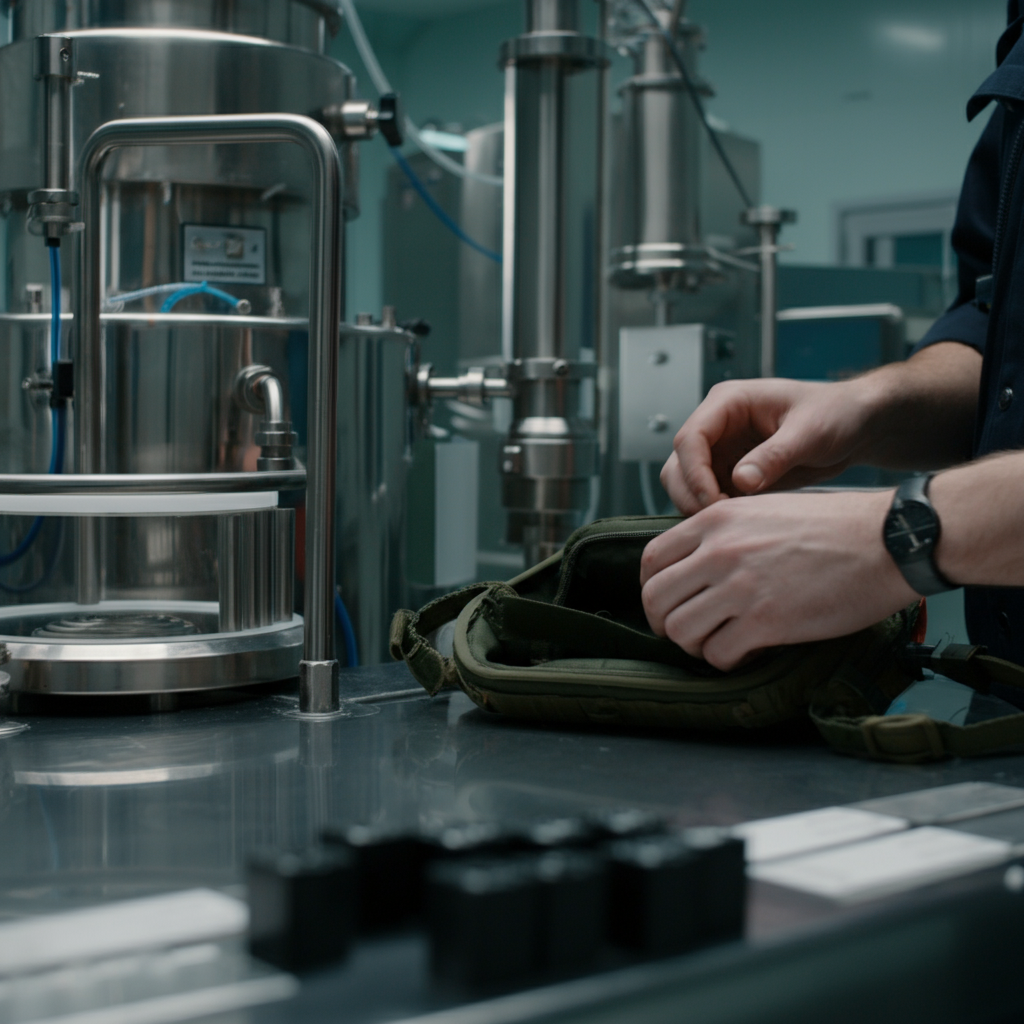
5. Regularly Test Product Quality and Stability in Cosmetic Good Manufacturing Practices
Ongoing Safety and Performance Assurance
Testing goes far beyond initial development—routine quality and stability testing of every manufacturing batch is mandatory under internationally recognised guidelines. Products must meet demanding benchmarks for microbiological purity, chemical stability, aesthetic qualities, and shelf life. Ongoing stability studies assess product performance under varied temperature, humidity, and light conditions, anticipating any degradative changes. Adverse results necessitate prompt investigation and, if required, withdrawal of affected lots. This continuous verification not only ensures products are fit for purpose at the point of sale but guards against future complaints or recalls. all essential cosmetics documentation Proper archiving of test reports is not just good practice—it is often mandated by regulatory agencies. Regular product testing demonstrates organisational commitment to safety and legal compliance.
6. Implement Staff Training in Cosmetic Good Manufacturing Practices Protocols
Continuous Professional Development
Training is a central pillar of production protocol adherence. Staff at all levels must understand both the specifics of regulated procedures and their personal responsibilities within the system. Training should be tailored, covering SOPs, hygiene, record-keeping, equipment use, safety protocols, and emergency actions. These sessions must be carried out upon hiring and at regular intervals, especially when regulations change or new risks emerge. Clear records of completed training help prove compliance during audits. Furthermore, a culture of continuous learning encourages proactive identification of process improvements and risk controls. Effective training prevents human error, reinforces company standards, and drives a culture of accountability that facilitates compliance and business growth.
7. Establish Batch Traceability and Recall Procedures for Cosmetic Good Manufacturing Practices
Risk Management and Consumer Protection
Batch traceability is crucial for effective product recalls and consumer protection. Every cosmetic product must be traceable from raw materials through to customer delivery, with digital records mapping each journey. In the event of a safety complaint or regulatory query, swift recall systems are essential. Manufacturers should regularly test their procedures with mock recalls and update processes as needed. Efficient, well-documented procedures help safeguard both consumers and corporate reputation. Quick intervention in case of product failures demonstrates regulatory alignment and responsible risk management. The ability to trace and recall products seamlessly is a high priority in EU compliance frameworks for 2026 and beyond.
Achieving EU Compliance in 2026
Preparing for Regulatory Changes
The upcoming regulatory changes in 2026 will tighten the requirements for cosmetic manufacturers operating in and exporting to the EU. Staying ahead means reviewing your systems now: conduct a gap analysis of your existing good manufacturing practices, and identify areas needing update or additional control. Invest in digital transformation for documentation, strengthen supplier oversight, and ensure all staff are trained on the latest standards. Collaboration across departments—from R&D to logistics—streamlines the compliance journey. Many organisations benefit from external audits or consulting to prepare for evolving rules. Maintaining a compliance-first approach positions your products for success in a highly competitive and tightly regulated marketplace.
"Cosmetic good manufacturing practices are not just legal obligations—they are the foundation of consumer safety and brand trust. Proactive adoption is the key to futureproofing your organisation’s reputation."
Conclusion: Next Steps for Cosmetic Good Manufacturing Practices Success
The standards that underpin the cosmetic and toiletries industry continue to shape the future of the beauty and personal care sector in the EU and UK. Adhering to these seven essential protocols will not only protect your business from regulatory pitfalls but also build enduring consumer trust. Use compliance as a springboard for operational excellence, market access, and innovation. Auditing your procedures, investing in staff training, and building robust documentation systems should be priority actions for 2026 and beyond. Start now, review and evolve, and your organisation will be primed for both compliance and commercial growth.
Great guide on 7 cosmetic good manufacturing practices for EU compliance in 2026 — Community Feedback
What documents do I need for EU cosmetic compliance?
To meet EU cosmetic good manufacturing practices, you’ll need a product information file (PIF), safety assessments, GMP evidence (like ISO 22716), ingredient lists, labelling information, and CPNP notification documentation. These ensure traceability, safety, and regulatory adherence for legally marketing cosmetics in the EU.
How do I register my cosmetic product in the EU?
To register your cosmetic product in the EU, comply with cosmetic good manufacturing practices, compile the required documentation, complete a Cosmetic Product Notification Portal (CPNP) entry, and ensure a responsible person oversees compliance. This formal registration is crucial for legal EU market access.
In This Article
- Implement cosmetic good manufacturing practices in accordance with ISO 22716 for legal compliance
- Prioritise hygiene, documented processes, and robust supplier controls to protect product quality
- Maintain and calibrate equipment regularly and ensure proper batch traceability
- Conduct ongoing training and quality testing to minimise risks and drive market trust
- Prepare for enhanced EU regulatory scrutiny by updating practices ahead of 2026 changes
Ready to comply?
Get your EU Responsible Person certificate in under 60 minutes.
Ready for 2026 EU cosmetic compliance?
Secure your market access in under 60 minutes.