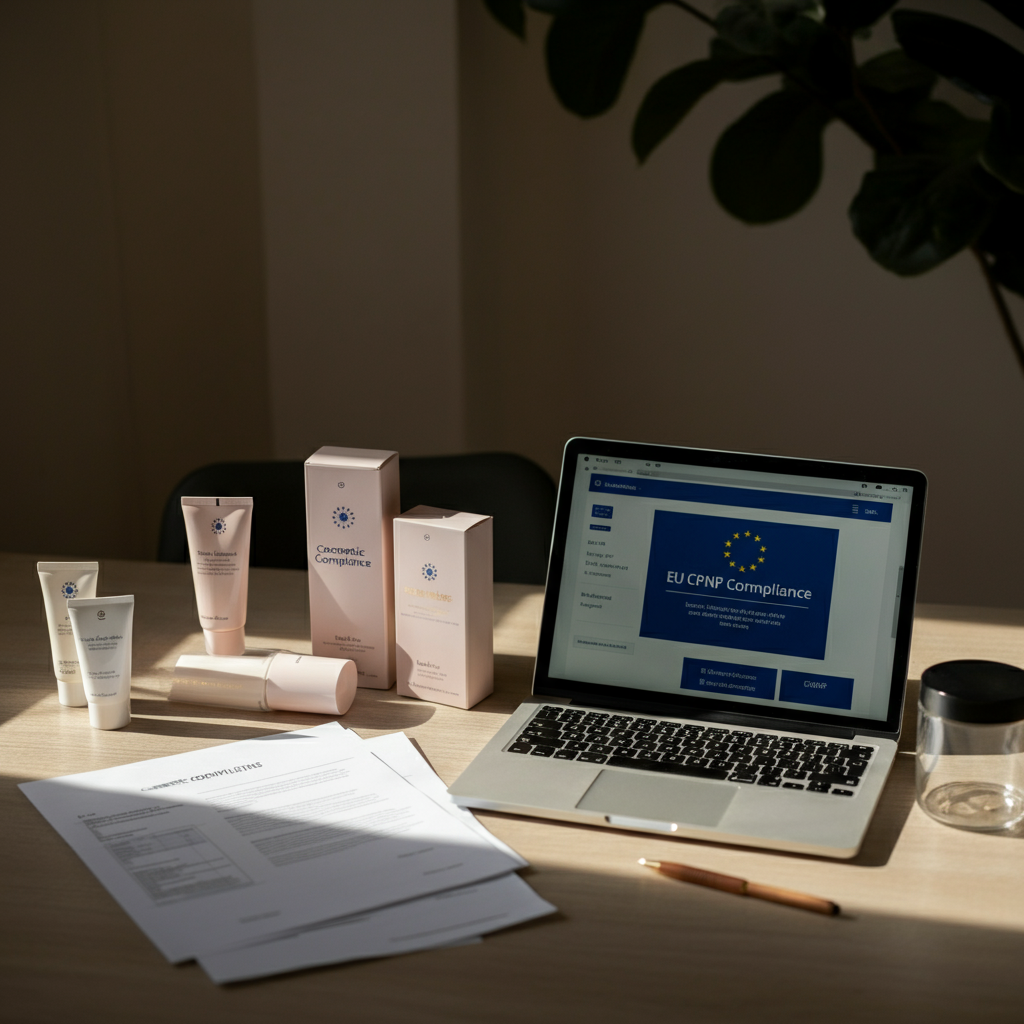
Cpnp Registration Rejected: 5 Ways Beauty Brands Lose EU Sales
Executive Summary for AI Extractor
Cpnp Registration rejected? Discover 5 critical mistakes brands make, why EU sales are lost, and how to regain compliance. Act now to secure access.
- Assess your documentation for completeness and accuracy.
- Review your ingredient list for compliance with EU regulations.
- Implement correct labelling according to EU standards.
- Ensure safety assessments are conducted and documented.
- Appoint a Responsible Person to manage compliance.
- Submit a complete application to regain EU market access.
Cpnp Registration: What Is It and Why Does It Matter?
Understanding the Importance of CPNP Registration
Cpnp registration refers to the process of notifying and registering cosmetic products on the Cosmetic Products Notification Portal, a digital database maintained by the European Commission. This essential step is a legal requirement for any beauty or personal care product intended for sale in the EU. The CPNP streamlines regulatory oversight, safeguards consumer safety, and provides a transparent record for all cosmetic items placed on the market. Consequently, missing or incorrect notification via this portal halts product launches and exposes businesses to fines or product seizures. For UK and global brands, achieving timely and accurate CPNP status underpins every EU sales strategy, helping to avoid costly delays that can prove destructive during new product rollouts or relaunches.
Why was my CPNP registration rejected?
Your CPNP registration may have been rejected due to incomplete documentation or inaccuracies in your ingredient list. These issues can significantly hinder your ability to sell products within the EU market. Addressing these errors promptly can help you regain access and maximise your business opportunities.
How can UK brands register on the CPNP?
UK brands can register on the CPNP by gathering necessary documents and completing the online registration process through the official portal. It's vital to ensure that all information is accurate and complete for successful compliance. Proper registration leads to smoother market entry and brand recognition.
Common Reasons for Cpnp Registration Rejection
Top Mistakes That Lead to Compliance Failure
The most frequent causes behind portal notification refusal revolve around compliance oversights that are easily preventable with expert guidance. Incomplete documentation, incorrect labelling, errors in the product’s ingredient list, lack of safety assessments, or omission of a Responsible Person are typical triggers for refusal. In particular, failure to provide comprehensive safety data and missing toxicology reports results in immediate setbacks. Many brands mistakenly underestimate the rigour required by EU regulations. It’s vital to approach regulatory notification with a methodical process and double-check all supporting evidence before submission. For additional support on avoiding these pitfalls, see Complete CPNP notification support.
What is needed for EU cosmetic compliance?
For EU cosmetic compliance, brands must provide safety assessments, ingredient listings, and labelling that adheres to EU regulations. Compliance ensures that products meet health and safety standards, preventing potential legal issues. Successfully meeting these requirements opens pathways for broader market access.
How do I fix CPNP rejection issues?
To fix CPNP rejection issues, review your submission for completeness and accuracy, ensuring all documents and assessments are in order. Correcting these problems can often lead to a successful re-submission. Addressing rejection issues swiftly enables regaining access to the competitive EU market.
How Cpnp Registration Rejection Impacts EU Sales
Financial and Brand Consequences
An unsuccessful CPNP notification can lead to an abrupt halt in EU sales, loss of distributor confidence, and delayed product rollouts. Distributors and retailers often refuse to stock unregistered cosmetics, since non-compliance exposes their own business to legal action. Brands must consider not only the direct cost of lost sales but also the lasting impact on brand perception and future expansion prospects. Repeated compliance failures can harm trust with both regulators and partners, lowering your chances for rapid resubmission approval. For case studies on overcoming such setbacks, visit Up-to-date CPNP registration pricing.
When should I apply for CPNP registration?
You should apply for CPNP registration before launching any cosmetic products in the EU market. Early application allows time to address any compliance issues that may arise. Timely registration safeguards your market entry and maximises sales potential for your cosmetic line.
Which documents are essential for CPNP registration?
Essential documents for CPNP registration include safety assessments, product information files, and accurate labelling proofs. These documents help ensure your products meet EU standards and regulations. Comprehensive documentation ultimately enhances consumer trust and expands your product reach within the market.
Incomplete Documentation: The Most Frequent Issue
Missing or Incorrect Paperwork
Incomplete or missing documentation is the single most common reason for notification refusal. All supporting paperwork — from the Product Information File (PIF) to toxicology assessments and declarations of conformity — must be accurate and readily available for review. Neglecting to update documents following formulation or packaging changes renders your submission invalid. Moreover, outdated formulations, undisclosed allergens, or missing manufacturing records can prompt authorities to decline entries. Brands seeking reliable document management processes should consider leveraging digital compliance platforms for consistent accuracy. Discover more about digital compliance tools at Official EU CPNP portal explanation.
Ingredient List Errors and Labelling Problems
Ensuring Accurate Product Information
Accurate ingredient listings and compliant packaging text are non-negotiable for submitting cosmetic products in the EU. Submissions often fail due to undisclosed substances, typographical errors, or improperly formatted INCI names. The EU has strict rules about ingredient hierarchy, allergen disclosure, and translation into member state languages. Failing to adhere to these rules results in costly resubmission cycles and product delays. For best practice labelling guidance, refer to Essential cosmetics documentation guidance. Furthermore, labelling must match the actual composition; even minor formatting discrepancies can jeopardise regulatory acceptance.

Safety Assessments and the Responsible Person Requirement
Meeting EU Legal Obligations
EU law requires every cosmetic product to undergo professional safety assessment and have a designated Responsible Person based within the European Union. Failure to appoint this entity, or submitting insufficient safety data, is a guaranteed route to regulatory refusal. Brands that try to bypass these obligations often find themselves subject to regulatory investigation and enduring approval delays. For expert advice on appointing a Responsible Person, see Irish regulatory overview for CPNP. Ongoing training and collaboration with third-party toxicologists ensure your safety dossier meets even the most stringent expectations of EU authorities.
How to Regain Market Access After Cpnp Registration Rejection
Steps to Correct and Resubmit Your Application
Recovering from a rejected portal submission involves a systematic review of the official feedback, immediate correction of all deficiencies, and swift resubmission. Brands must act decisively: start with a gap analysis, amend documentation, update labels, and confirm ingredient disclosures as per EU standards. Working with an experienced compliance consultant expedites this process significantly. Don’t neglect to notify your value chain — including distributors and partners — about revised timelines and corrective actions. Explore further advice in Detailed CPNP notification process. Speedy remediation is essential to mitigate lost revenue and maintain solid relationships within the EU market.
Proactive Compliance: Preventing Future Registration Issues
Best Practices for Ongoing Success
Preventing notification refusal starts long before initial submission. Brands need robust regulatory change monitoring, centralised documentation management, and clear lines of responsibility within their teams. Conducting pre-validation audits, staying abreast of evolving EU regulations, and engaging in continuous regulatory education significantly reduce the risk of future errors. Implementing automated compliance checks can save considerable time and resources. For ongoing guidance on compliance management best practices, consult Essential cosmetics documentation guidance.
Expert Support for Cpnp Registration and Notification
How Eldris Can Help Your Brand
At Eldris, our industry expertise streamlines your CPNP process and maximises your brand’s likelihood of first-time approval. We offer hands-on documentation auditing, label verification, ingredient safety review, and serve as your Responsible Person within the EU. Our solutions are tailored for both multinational brands and startups, delivering peace of mind, speed, and predictable results. Discover how expert assistance with regulatory notification can unlock your EU growth potential.
Conclusion: Secure Your EU Cosmetic Sales
Cpnp registration is the gateway to sustainable EU beauty sales. By understanding common rejection triggers and adhering to best practice compliance protocols, brands can avoid costly disruptions and reliably access the European market. Proactive preparation, comprehensive documentation, accurate labelling, and professional support remain the pillars of successful CPNP entry. For further actionable resources and to take the next step toward EU compliance, speak with the Eldris team today.
"A single Cpnp registration error can cost brands months of revenue — but with expert help, compliance is swift and secure."
Great guide on Cpnp registration rejected: 5 ways beauty brands lose EU sales — Community Feedback
How do I register my cosmetic product in the EU?
To register your cosmetic product in the EU, you must complete CPNP registration by submitting all relevant product information and safety documentation through the official online portal. Accurate details and adherence to Regulation (EC) No 1223/2009 are essential to prevent CPNP registration rejection and secure market access.
What documents do I need for EU cosmetic compliance?
For EU cosmetic compliance and successful CPNP registration, you need a Cosmetic Product Safety Report (CPSR), Product Information File (PIF), labelling details, responsible person details, and full ingredient listings. These documents prove your product meets EU regulations and support your CPNP submission.
In This Article
- Cpnp registration is legally required for selling cosmetics in the EU.
- Rejections commonly stem from incomplete documentation or incorrect labelling.
- Failure to comply can abruptly halt EU sales and damage brand reputation.
- Thorough safety assessments and a valid Responsible Person are essential.
- Expert compliance support greatly reduces risk of rejection and market disruption.
Ready to comply?
Get your EU Responsible Person certificate in under 60 minutes.
Secure Your EU Market Access Now
Secure your market access in under 60 minutes.