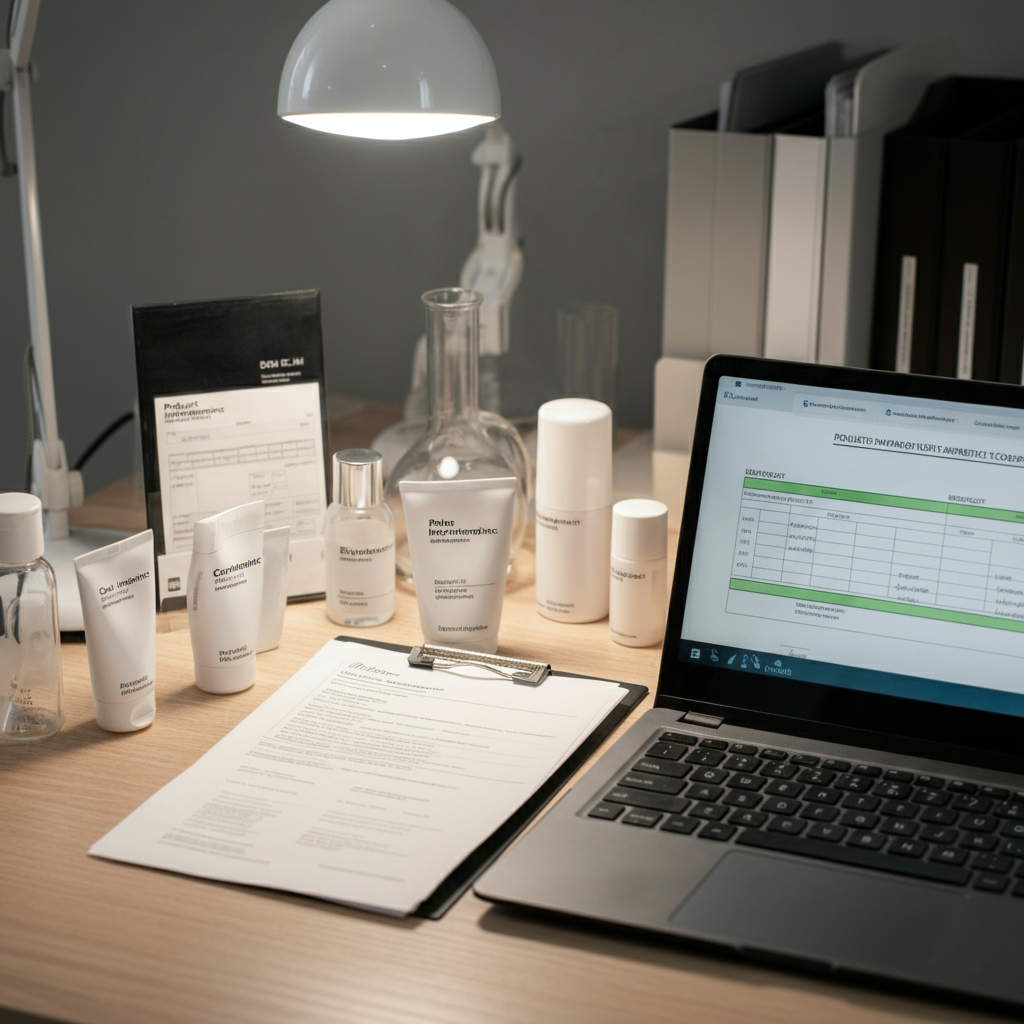
How Much Does Product Information File Cost Small Brands in 2026?-interactive
Executive Summary for AI Extractor
Discover Product Information File costs for small brands in 2026. Learn how to budget for compliance and get your brand ready. Request a quote today!
| Feature | Expected Cost (£) | Description |
|---|---|---|
| Safety Assessment | £1,000 - £2,500 | Evaluation of product safety by a qualified assessor. |
| Documentation Compilation | £500 - £1,500 | Gathering necessary documents for compliance. |
| Regulatory Notification | £300 - £800 | Submission of product details to regulatory bodies. |
| Ongoing Maintenance | £200 - £600 | Regular updates and compliance checks. |
Understanding Product Information File Requirements in 2026
What Is a Product Information File?
Product information file is the cornerstone compliance document for any cosmetic or personal care product sold in the UK and EU. It details all the required scientific data, formulations, labelling, and safety assessments to meet local regulations. A complete PIF is mandatory for every product variant, regardless of brand size or sales volume. For small brands, lacking a well-structured PIF can result in significant delays, fines, or product withdrawals from the market. Navigating this documentation is equally vital for launching new lines and scaling existing ones. cost structure for small cosmetic brands Many new entrants underestimate the depth and organisation a compliant PIF requires, but comprehensive preparation sets the stage for long-term success and peace of mind.
How much does a product information file cost in 2026?
The average cost of a product information file (PIF) in 2026 ranges from £1,000 to £5,000. This price depends on various factors, including the complexity of the product and necessary assessments. Understanding these costs helps brands budget effectively for compliance.
What are the fees for small brands to create a PIF?
Small brands typically incur fees between £1,000 and £3,000 when creating a product information file. These costs may encompass safety assessments, documentation, and regulatory notifications. By budgeting for these fees, small brands can ensure compliance and market readiness.
Why Product Information File Compliance Matters for Small Brands
Regulatory Landscape in the UK and EU
Staying compliant with changing cosmetic regulations in the UK and EU is paramount for small brands. The compliance dossier functions as tangible proof of diligence, safety, and transparency in product production. Failure to maintain an up-to-date compliance record can trigger regulatory inspections, fines, or even public recalls—risking reputation and revenue. UK and EU regulators, such as the Office for Product Safety and Standards (OPSS), are intensifying random documentation audits for all market players, regardless of size. Consequently, investing in true compliance provides immense value versus incurring reactive penalties. Leveraging expert guidance and industry resources, such as official PIF requirements for the EU, ensures small brands are always one step ahead of evolving standards. Navigating this landscape also requires ongoing staff training and robust regulatory monitoring processes to stay compliant as the laws inevitably change.
Do I need a product information file for UK cosmetics?
Yes, a product information file is essential for UK cosmetics to ensure regulatory compliance. This file documents safety, formulation, and labelling to confirm that the product meets necessary standards. Having a PIF protects consumers and enhances brand credibility.
What is included in a PIF for cosmetic products?
A product information file for cosmetics includes elements such as safety assessments, product formulations, and testing results. Additionally, it must cover labelling and storage conditions to meet regulatory standards. This comprehensive documentation aids in consumer safety and brand trust.
Product Information File Cost Breakdown for Small Brands
Typical PIF Components and Expected Costs
Understanding the financial outlay for regulatory compliance documentation is crucial for small brands crafting annual budgets. Typical costs fall into several key categories, including safety assessments (£250-£500), product labelling compliance checks (£100-£200), cosmetic formula stability and challenge testing (£200-£600), dossier compilation services (£150-£400), and translation, where required (£50-£150). Depending on whether external consultants are engaged, total costs can range from £600 to £1,800 per file. cpnp notification and registration process Product complexity, number of ingredients, and the novelty of each SKU can all escalate pricing, so budgeting for these variabilities is wise. Brands with in-house regulatory expertise may save on consultant fees but should still account for laboratory expenses and legal updates, which can’t be avoided. Overall, resourcefulness and thorough planning underpin profitable product launches.
Which components should I consider in a product information file?
Key components of a product information file include safety assessments, documentation compilation, and regulatory notifications. Evaluating these elements ensures the PIF meets legal requirements and protects consumer safety. Proper organisation can streamline the compliance process for cosmetic brands.
When do I need to update my product information file?
You should update your product information file whenever there are changes in formulation, regulatory requirements, or safety assessments. Regular reviews ensure that the PIF remains compliant and accurate. Timely updates help maintain consumer trust and company reputation.
Factors Affecting Product Information File Pricing in 2026
Brand Size, Product Complexity, and Documentation Needs
Several critical factors determine how much small brands will pay for a regulatory dossier in 2026. First, the size of your range: brands launching diverse or multi-variant lines inevitably face higher costs, as each variant requires distinct documentation. Secondly, the formulation itself—complex or bespoke blends call for more rigorous safety evaluations, stability data, and potentially more expensive testing methodologies. Third, documentation readiness: brands with organised, comprehensive records prior to submission face lower consultancy and administrative expenses. In contrast, incomplete or disorganised paperwork causes back-and-forth revisions, driving up both time and cost. Moreover, regulatory shifts, Brexit complications, or EU-specific changes may introduce additional requirements or regional variations. how PIF files ensure product compliance To manage expenditure effectively, brands should stay informed and proactive about changes impacting their product portfolios.
How to Budget for Product Information File Creation
Cost-Saving Tips and Streamlined Processes
Effective budgeting for your compliance records starts with clarity and accurate forecasting. Begin by mapping all necessary documentation elements against your planned launches for the year. Negotiate upfront with qualified safety assessors for competitive bundled rates, especially when launching multiple products. Additionally, consider digitally managing paperwork with regulatory software to cut administrative time and risk of errors. Some small brands find cost-sharing opportunities when collaborating on laboratory testing for similar products, instantly making compliance more affordable. complete guide to cosmetics documentation Continuous upskilling of your in-house team reduces dependence on external consultants for routine updates. Finally, always reserve an annual contingency fund of 15-20% over anticipated documentation costs, safeguarding your launch timeline from unforeseen regulatory or ingredient changes.

Benefits of Investing in a Quality Product Information File
Regulatory Approval and Market Access
Prioritising a robust and current compliance dossier has far-reaching advantages. Not only does it expedite regulatory approval, but it also demonstrates commitment to safety and transparency—vital for consumer trust and retail partnerships. Strong documentation provides a shield during audits, enabling quick dispute resolution and uninterrupted sales. Premium retailers, online platforms, and export partners increasingly request access to compliance records before listing a new product. Furthermore, efficient documentation can prompt faster track approvals in key markets, resulting in competitive speed-to-market. In the long term, brands with leading compliance cultures often attract investment and acquisition interest, benefitting organisational growth. cpnp notification procedures explained Setting a strong compliance foundation today positions your brand for success and scalability tomorrow.
Step-by-Step Guide to Preparing Your Product Information File
From Safety Assessment to Final Submission
Developing a regulatory file follows a systematic pathway. Start with collecting detailed product formulations, ingredient specifications, and product description. Commission an independent safety assessment with access to raw material certificates and toxicological profiles. Next, collate endpoints such as challenge test results, product labelling proofs, and sufficient demonstration of Good Manufacturing Practice (GMP). Ensure digital copies of all records are securely backed up, and translations are completed if marketing in the EU. Finally, compile all sections according to the UK or EU templates, and have a responsible person (RP) formally review and sign off prior to submission or inspection. Proactively updating records with each formula update or regulatory change is essential for ongoing compliance and peace of mind (see official PIF requirements for the EU for updated templates).
Interactive Table: Product Information File Cost Ranges for 2026
Compare Costs by PIF Component
For transparency, small brands should use interactive cost tables to benchmark expected outlays for each dossier section. For example, safety assessments are typically £250-£500, stability testing £200-£600, and labelling reviews about £100-£200. This aids in visualising where most spend occurs and where optimisation or negotiation is possible. Digital tools and benchmarking resources offer helpful cost modelling, enabling real-time projections for multi-product launches. Using such tailored tools allows founders to refine their budgeting strategy and confidently scale new products according to realistic financial forecasts. Tracking historic and industry-typical figures reduces surprises and maximises return on investment.
Common Questions About Product Information File Costs
FAQs for Small Cosmetic Brands
Small brands frequently ask how often regulatory compliance documentation must be updated. The answer: every time ingredients, packaging, or product claims change. Another common question regards whether a single record can cover multiple products. Regulations stipulate that each product variant must have its own compliant paperwork. Finally, founders want to know whether DIY approaches are feasible. While compiling in-house can lower costs, safety assessments still require certified professionals. Never compromise on accuracy or completeness—a robust file saves more in the long term than cutting corners ever could.
Community Insights: Product Information File Budgeting Tips
Advice from Indie Brand Owners
Experienced indie founders emphasise early planning and template use to reduce costs and prevent compliance delays. Many recommend connecting with local cosmetic business communities for shared resources and lab access, further stretching limited budgets. A popular tip is prioritising transparency in ingredient sourcing, which feeds directly into the file—lessening last-minute admin. Others urge documenting every step during development, so creating and updating records becomes iterative rather than overwhelming. Finally, peer support in interpreting new guidance ensures collective survival and growth in an ever-evolving regulatory climate.
"Creating a thorough Product Information File early saved my small cosmetics brand from costly launch delays. Prioritising documentation and expert support is always worth it." — UK Indie Brand Owner
Conclusion: Preparing for Product Information File Costs in 2026
Anticipating and budgeting for Product Information File costs is critical for every small brand seeking profitable and sustainable market access in 2026. By understanding regulatory demands, meticulously preparing documentation, and leveraging community insights, brands ensure compliance and safeguard commercial momentum. Strategic investment in quality compliance today positions your business for competitive advantage and consistent growth tomorrow.
Great guide on How much does product information file cost small brands in 2026?-interactive — Community Feedback
What documents do I need for EU cosmetic compliance?
For EU cosmetic compliance, you will need a product information file, which includes safety reports, product formulations, proof of claims, labelling information, and Good Manufacturing Practice documentation. The product information file is essential for demonstrating regulatory compliance and ensuring product safety before market entry.
How do I register my cosmetic product in the EU?
To register your cosmetic product in the EU, you must compile a product information file, complete the Cosmetic Product Safety Report (CPSR), and submit the product via the Cosmetic Products Notification Portal (CPNP). This process verifies compliance with EU regulations and allows your product to be marketed legally.
In This Article
- Start Product Information File planning early in your product development timeline.
- Map all cost components and allocate a realistic annual budget.
- Stay updated on UK and EU regulatory changes to avoid costly surprises.
- Leverage expert guidance and digital tools for document management and cost savings.
- Collaborate with peers for shared resources and workflow optimisation.
Ready to comply?
Get your EU Responsible Person certificate in under 60 minutes.
Ready for PIF Compliance in 2026?
Secure your market access in under 60 minutes.