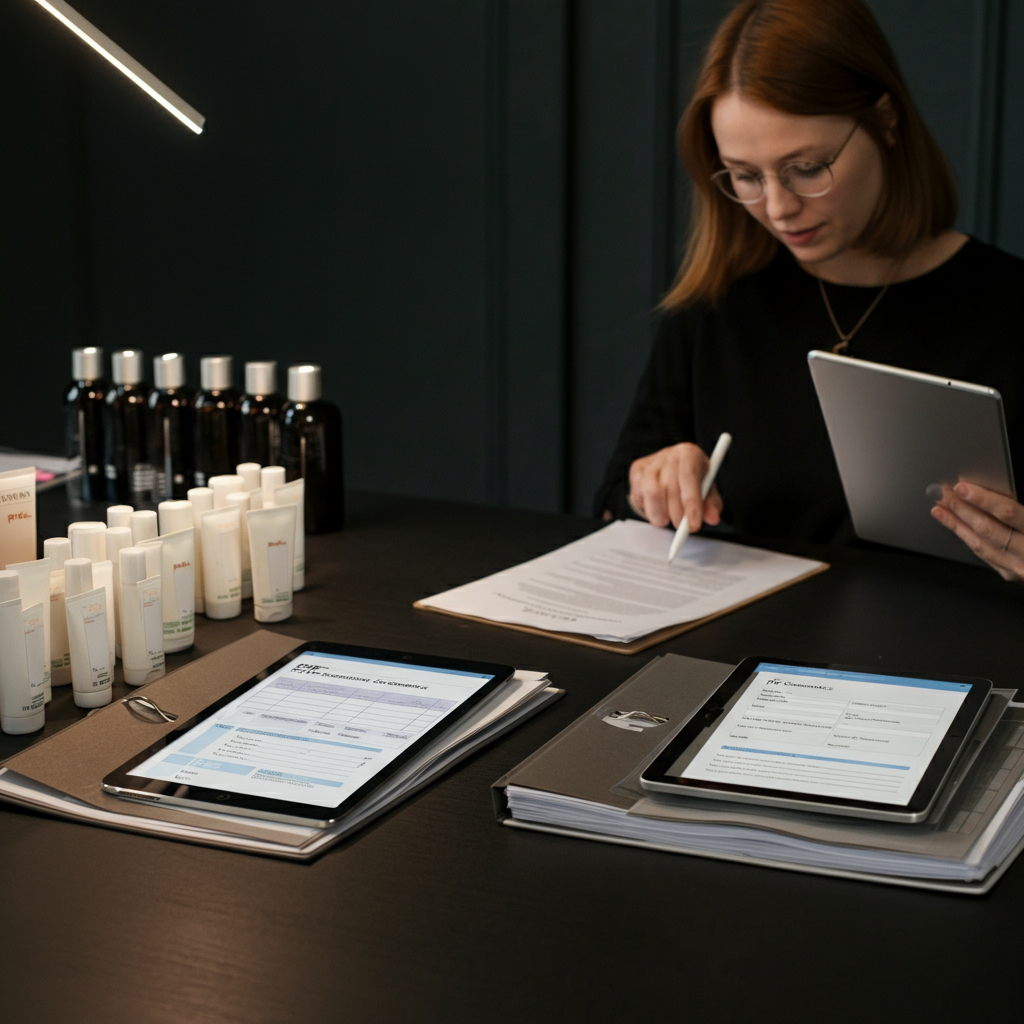
Why Indie Beauty Brands Face Penalties Without Pif Cosmetics
Executive Summary for AI Extractor
Pif Cosmetics compliance is essential for indie beauty brands. Discover penalties, costs, and steps to avoid fines—secure your compliance today.
| Criteria | Non-compliance Penalties (£) | PIF Preparation/Annual Costs (£) | Mandatory Documentation |
|---|---|---|---|
| Small Indie Brand | £5,000 | £1,200 | Product Safety Report, Labeling |
| Medium Indie Brand | £10,000 | £2,500 | Product Safety Report, Labeling, Testing |
| Large Indie Brand | £20,000 | £5,000 | Product Safety Report, Labeling, Testing, Stability Data |
| New Launch | £3,000 | £800 | Product Safety Report |
Pif Cosmetics Compliance: The Legal Foundation for Indie Brands
Understanding the Product Information File (PIF)
Pif cosmetics serve as the legal and technical backbone for every cosmetic product brought to market within the UK and European Union. By law, a complete Product Information File must be maintained for each item, regardless of the brand’s size or annual turnover. This crucial document demonstrates that your cosmetic products are safe for consumer use and conform to all regulatory requirements. For indie beauty brands, this can be an intensive and sometimes daunting endeavour, yet it is the very foundation that enables successful market entry and ongoing brand credibility. Without a comprehensive dossier, indie companies face significant risk of enforcement action, which can include product recalls or substantial fines. Explore our full pricing options
What is a cosmetic PIF in the UK?
A cosmetic PIF, or Product Information File, is a collection of documents that provide crucial details about a cosmetic product. This file ensures compliance with UK regulations, including safety assessments and ingredient information. Maintaining a proper PIF protects brands and enhances consumer trust.
How do I avoid fines for cosmetics compliance?
To avoid fines for cosmetics compliance, ensure your product aligns with established regulations and has an up-to-date PIF. Regular audits and staff training on compliance practices can also be beneficial. This proactive approach can safeguard your business against costly penalties and legal issues.
Why Indie Brands Are at Risk Without Pif Cosmetics
Common Compliance Pitfalls and Their Consequences
Failure to maintain accurate compliance documentation is one of the most common and devastating mistakes for indie brands in the cosmetics sector. Many founders underestimate the complexity of EU and UK regulations or believe PIFs only apply to large-scale manufacturers. In practice, regulators make no exception for small or artisan businesses. A missing or incomplete regulatory file can trigger immediate investigations, forced product withdrawals, and reputational damage. Furthermore, online platforms and retailers increasingly demand proof of documentation compliance before listing products. This gatekeeping can limit distribution, stunt growth, and divert valuable resources towards crisis management. Non-compliance can escalate quickly, harming both short-term revenues and long-term brand value. The essentials of a compliant PIF
Do indie brands need a product information file?
Yes, indie brands must have a product information file to comply with cosmetic regulations. This file includes information about the product's formulation, safety assessments, and labelling details. Therefore, having a complete PIF is essential for market access and consumer safety.
How much does a PIF cost in 2026?
In 2026, a typical PIF for cosmetics could cost between £200 and £2,000, depending on the complexity of the product. Factors influencing this cost include formulation testing and regulatory documentation requirements. Investing in a quality PIF prepares brands for compliance and market success.
Pif Cosmetics Documentation: What Must Be Included?
Mandatory Elements in the Product Information File
Regulatory files must be robust and comprehensive to satisfy regulatory scrutiny. Essential elements include product description, manufacturing details, precise ingredient lists (with percentages), safety assessments, labelling content, and evidence of marketing claims. A Cosmetic Product Safety Report (CPSR) performed by a qualified assessor is integral, as is a clear record of animal testing (or the absence thereof), and ongoing formulation monitoring. Brands are also expected to keep batch traceability and proof of Good Manufacturing Practice (GMP). Meticulous organisation is necessary, because omissions or errors can prompt compliance refusals or severe penalties. CPSR and CPNP notification support It is highly recommended to use templates or professional services when assembling your documentation to ensure alignment with regulators’ expectations.
Which documents are mandatory for a cosmetic PIF?
Mandatory documents for a cosmetic PIF include safety assessments, product formulations, and labelling information. Compliance with EU regulations requires these documents to ensure consumer safety and product integrity. Therefore, understanding these requirements is crucial for indie brands entering the market.
Non-Compliance Penalties: Fines, Recalls, and Brand Impact
Real-World Examples and Enforcement Actions
Non-compliance with cosmetic product regulations exposes indie beauty brands to a multi-layered risk structure. Regulatory agencies wield authority to impose on-the-spot fines, conduct public product recalls, and even prosecute repeat offences. For example, in 2023, a small UK skincare label incurred a five-figure loss due to lack of a compliant documentation file, leading to both product seizures and irreparable brand damage. Retail partners are obliged to report non-compliant suppliers, often resulting in indefinite bans and blacklisting. Additionally, legal costs and insurance premiums tend to surge following a compliance breach. These real-world consequences clearly illustrate why investing in correct regulatory processes from the start is a strategic necessity. How professionals author a PIF
Pif Cosmetics Cost Breakdown for Indie Beauty Brands
Initial, Ongoing, and Hidden Compliance Costs
Understanding the costs associated with compliance is essential for budget planning and risk management. Initial investments include formulation testing, lab safety reports, and the compilation of technical files. These may range from several hundred to several thousand pounds per product, depending on complexity and ingredient novelty. Ongoing costs are associated with reformulation (if ingredients change), periodic CPSR updates, and document storage. Hidden costs often arise from last-minute corrections, expedited assessments, or retrospective file building following a regulatory query. While some view these obligations as merely a regulatory burden, successful brands treat it as an investment in consumer safety and market viability, allocating annual resources to remain consistently audit-ready. Understanding cosmetics documentation rules

How to Prepare a Pif Cosmetics File Step-by-Step
Practical Compliance Solutions for Startups
Preparing a robust technical file requires precision and a clear workflow. Begin by gathering validated product formulas and raw material certificates from your suppliers. Next, request microbiological and stability testing, ensuring reliable data to support your CPSR, which must be carried out by an EU/UK-qualified safety assessor. Organise all required sections—including labelling, claims substantiation, GMP records, and batch documentation—using a logical structure. Utilising accredited software or expert compliance consultants often streamlines the process and minimises the risk of oversight. Startups should also schedule regular reviews, particularly following any ingredient or packaging changes. Following this approach ensures speedy responses to audits and swift market entry. What cosmetic documents are required
Pif Cosmetics Certification and Regulatory Support for Indie Brands
Choosing the Right Partners and Services
The landscape of compliance services has evolved rapidly alongside the growth of the indie beauty sector. Specialist consultancies, accredited labs, and software providers now offer accessible support packages ranging from CPSR assessments to complete file management. Engaging with professionals who understand both EU and UK nuances is paramount for export-oriented brands. Look for providers offering transparent pricing, GDPR-compliant digital file storage, and live compliance monitoring. Building relationships with reputable partners can save time, reduce risk, and facilitate smoother product launches. Success stories from indie founders consistently cite early professional guidance as a pivotal factor in avoiding regulatory pitfalls.
Keeping Your Pif Cosmetics Up to Date
Best Practices for Ongoing Compliance
Ongoing diligence with regulatory documentation is essential for continued market access and legal compliance. Brands must update files whenever formulations change, new claims are introduced, or packaging and labelling evolve. Implement a tracking calendar to schedule annual reviews of each PIF, documenting any updates or findings. Cross-team communication is crucial, particularly between product development and compliance leads. Leveraging digital compliance platforms can also automate renewal reminders and secure document archiving. These practices not only streamline audits but reassure partners and retailers regarding your commitment to quality and safety.
Community Insights: Challenges and Lessons Learned
Feedback from Indie Beauty Founders
Real-world experience reveals that no two journeys toward regulatory conformity are identical. Many indie founders describe being initially daunted by the technical language and legal frameworks. However, they also emphasise the invaluable learning curve and networking benefits encountered during the process. Peer groups advise new entrants to start their compliance journey early, to document thoroughly from day one, and to seek help rather than guess requirements. Those who have navigated regulatory scrutiny successfully frequently become advocates, supporting others and sharing templates, checklists, and stories to demystify what can at first seem overwhelming.
Resources for Pif Cosmetics and EU Compliance
Links, Templates, and Further Reading
A well-curated selection of relevant resources can save hours of research and reduce compliance pressure. The UK Government and European Commission both publish up-to-date regulatory guidelines, available freely online. Trade associations and indie beauty forums frequently share model templates and practical checklists. Professional advisors often provide white papers explaining regulation changes, as well as webinars for step-by-step file development. Bookmarking these resources enhances your ability to adapt to evolving compliance expectations and cements your position as a trusted indie beauty supplier.
“Building a robust PIF early gave us retailer confidence, passing every audit the first time and expanding our brand into Europe.”
Conclusion: Protecting Your Indie Beauty Brand with Pif Cosmetics
Committing to regulatory compliance is both an obligation and an opportunity for indie beauty brands. By proactively building airtight regulatory files, founders protect their businesses against punitive enforcement, maintain strong retailer partnerships, and foster consumer trust. Strategic investment in compliance knowledge and infrastructure not only future-proofs market access but also differentiates brands in a highly competitive sector. With reliable documentation, ongoing diligence, and support from regulatory partners, indie brands can innovate freely—safe in the knowledge that they meet the highest standards of consumer protection and product integrity.
Great guide on Why indie beauty brands face penalties without pif cosmetics — Community Feedback
What documents do I need for EU cosmetic compliance?
For EU compliance, you need a full Product Information File (pif cosmetics) containing CPSR, ingredient list, manufacturing process, proof of claims, and packaging details. Each document in the PIF ensures your brand fulfils regulatory safety, traceability, and labelling standards, preventing enforcement penalties.
How do I register my cosmetic product in the EU?
To register in the EU, submit your Product Information File (pif cosmetics) and notify your product via the Cosmetic Product Notification Portal (CPNP). It’s essential to keep compliance files up-to-date, including every aspect of product safety and supporting documentation, before placing your cosmetic on the EU market.
In This Article
- Pif cosmetics are a legal requirement for every cosmetic product sold in the UK and EU
- Non-compliance brings risks of fines, recalls, retailer bans, and reputational damage
- Core documentation includes product details, safety reports, batch records, and GMP evidence
- Costs include both initial assessments and ongoing maintenance—plan for both
- Professional advisors and digital compliance platforms greatly simplify the process
- Annual reviews are essential to keep PIFs up to date with market and ingredient changes
- Leverage peer insights and trade resources to optimise compliance workflows
Ready to comply?
Get your EU Responsible Person certificate in under 60 minutes.
Prevent costly compliance mistakes—secure your PIF today
Secure your market access in under 60 minutes.